Jacek Jastrzębski spoke at the inaugural session of the Financial Market Forum
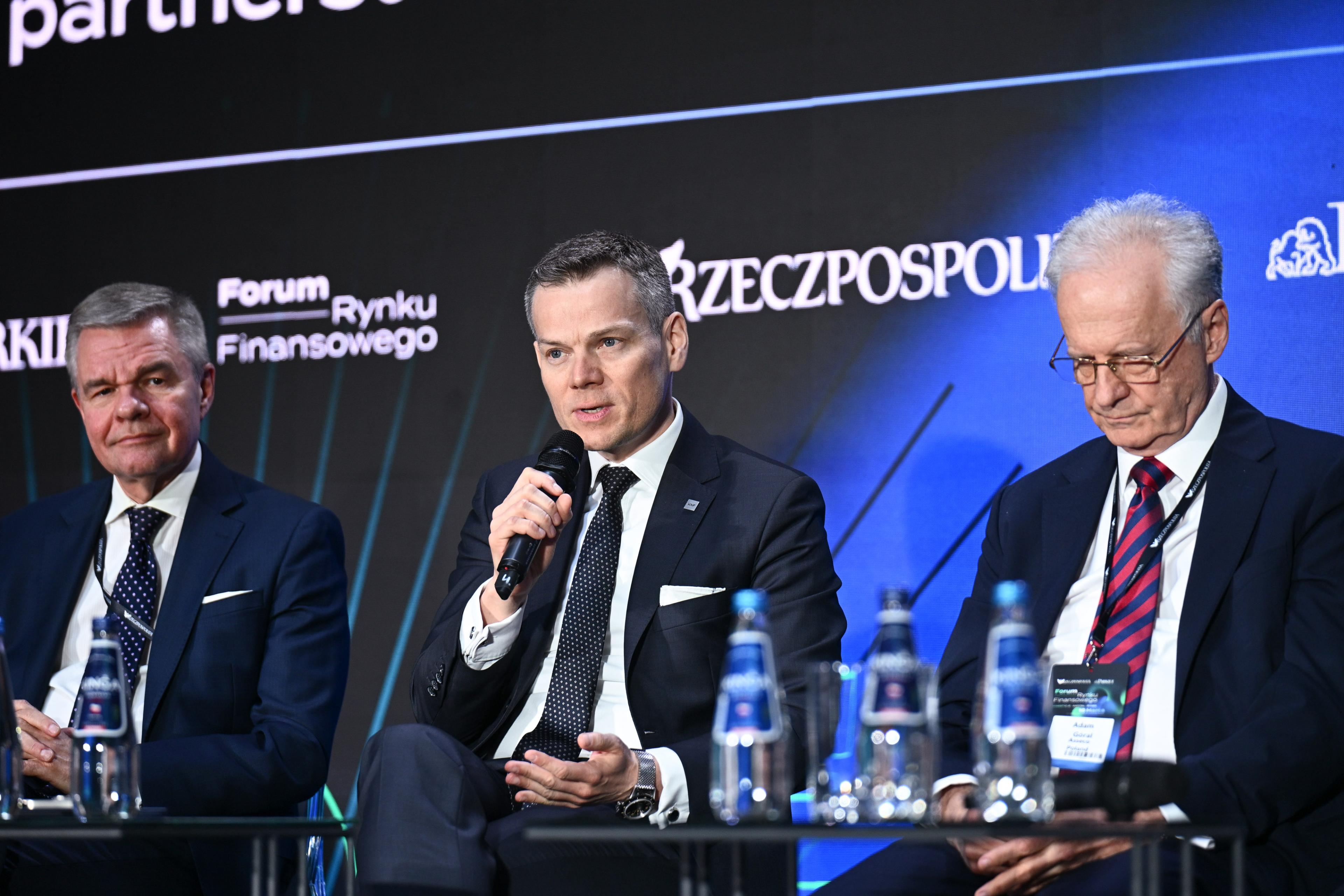
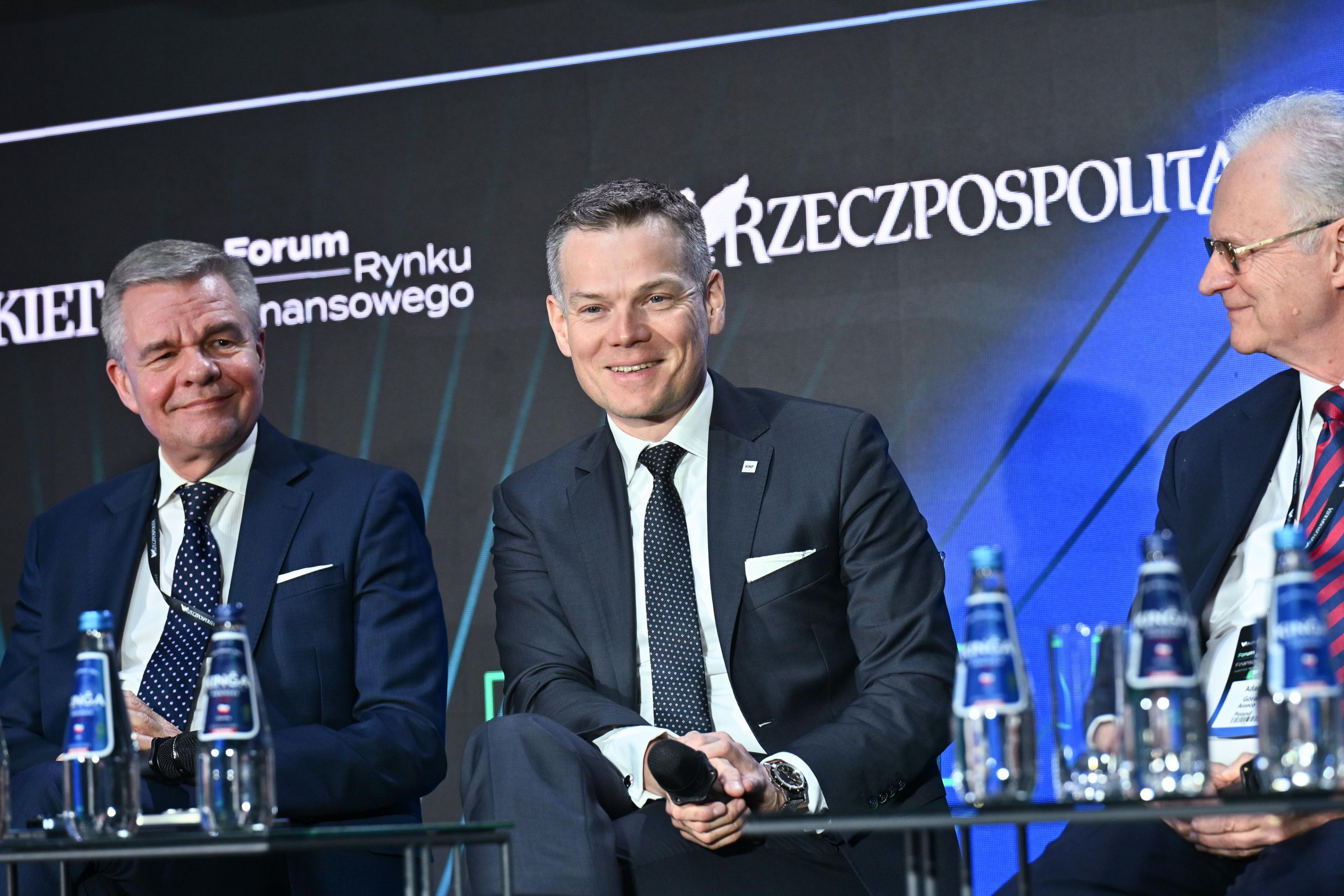
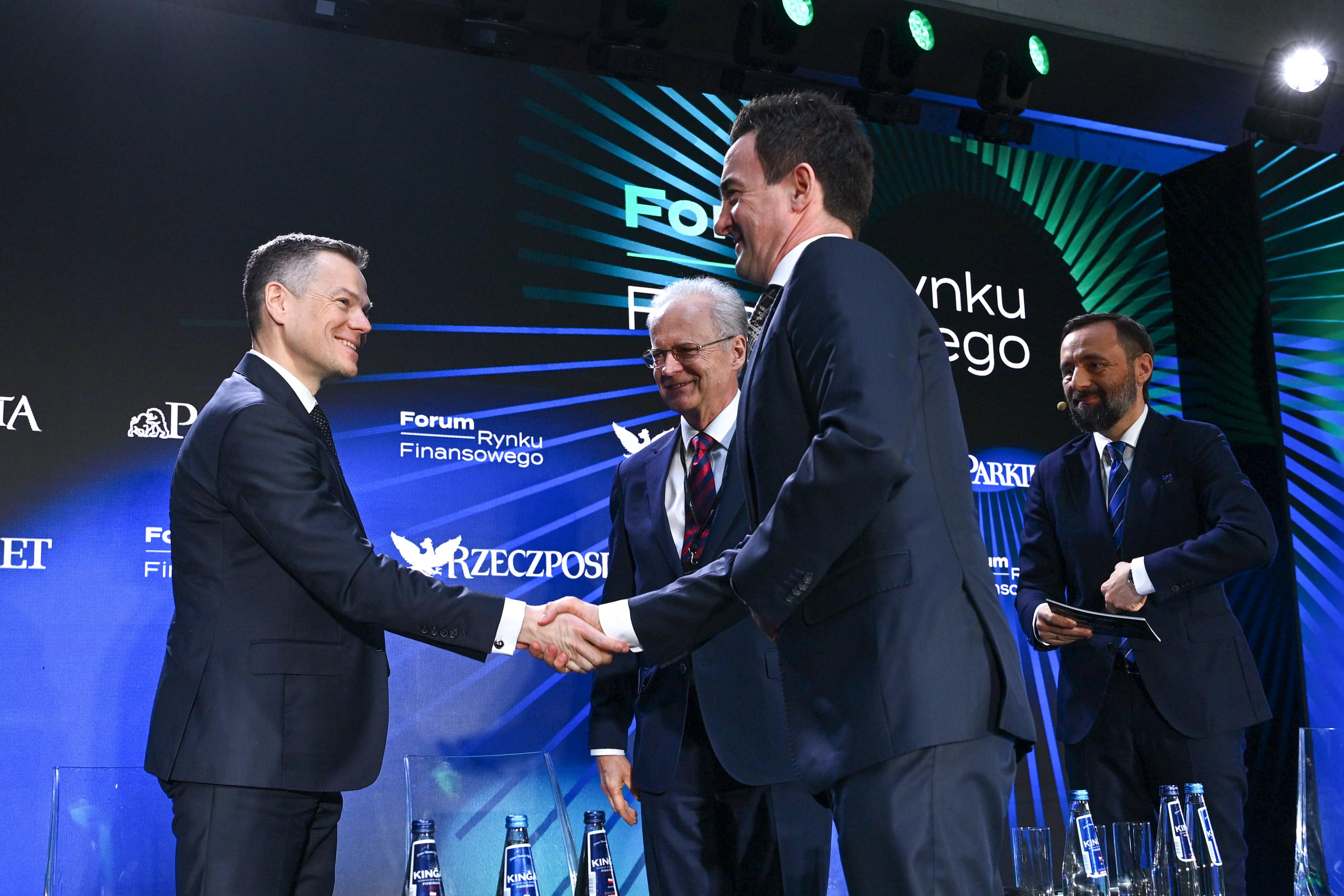
Jacek Jastrzębski, Chair of the KNF, spoke at the inaugural session of the Financial Market Forum organised by Rzeczpospolita daily and Gazeta Giełdy i Inwestorów ‘Parkiet’ daily. The debate was titled ‘The state versus the capital market: partnership or tension?’.
The Chair of the KNF has pointed out during the debate that the role of the state in the functioning of the capital market, including stock market, is to provide infrastructure and transparent rules for its operation. It is vital to ensure the conditions that will allow public companies to function efficiently. Jacek Jastrzębski has emphasised that the stock exchange debut of a company means being subject to specific rules which constitute a sort of ‘regulatory corset’, but this should not be perceived only as a burden. The ability to function in this regime may become a source of advantage. ‘If the company knows why it enters the stock exchange, it is its well-thought strategy, and it is able to squeeze from the public company status the essence of functioning in this format, such an entity is able to cope with this regulatory corset and, in a way, it wears it like armour,’ he said.
When referring to the phenomenon of de-listings, which are often interpreted as evidence of excessive regulatory burdens, Jacek Jastrzębski has noted that when assessing this issue, it is necessary to take a more nuanced viewpoint: public market is not a fit for all, and the decision to leave it may be a reasonable business choice based on the assessment of costs and benefits related to being a listed company.
Answering the question about what should happen for the Polish capital market to grow further according to our ambitions, the Chair of the KNF has pointed out that the contemporary times are characterised by high uncertainty, in particular in the geopolitical context, which makes planning more difficult and increases business risk. Many aspects of that uncertainty cannot be eliminated but we should try to assure maximum predictability where we can. ‘We should ensure maximum predictability. This is the agenda we are trying to implement in financial supervision,’ he said. He has noted that regulatory predictability is seen as one of major market-stabilising factors in the conditions of external uncertainty.
He has added that the concept of predictability is also linked to the quality of enacted law, in particular its transparency and rationality. Excessive complicated obligations may lead to a situation in which, for instance, reporting obligations become a goal in themselves, and you cannot see the wood for the trees, as the ultimate objective of those obligations is being lost. In this context, actions related to making regulations simpler (so-called simplification efforts) deserve recognition. Indeed, the quality of law and effectiveness of its enforcement are of paramount importance. And ensuring the two is one of key tasks of the state.