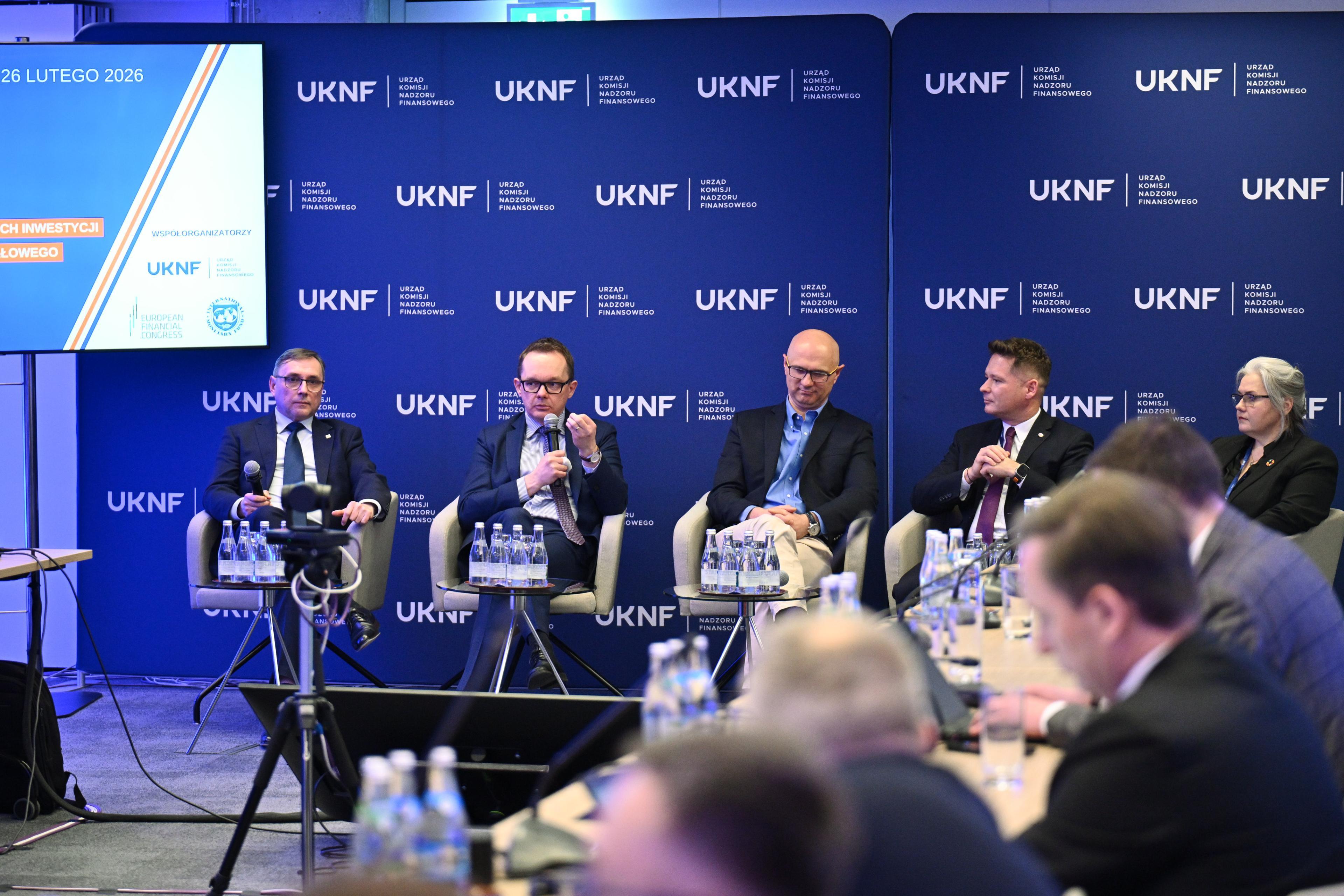
Summary of ‘Risk and Regulations in the Financial Market’ seminar
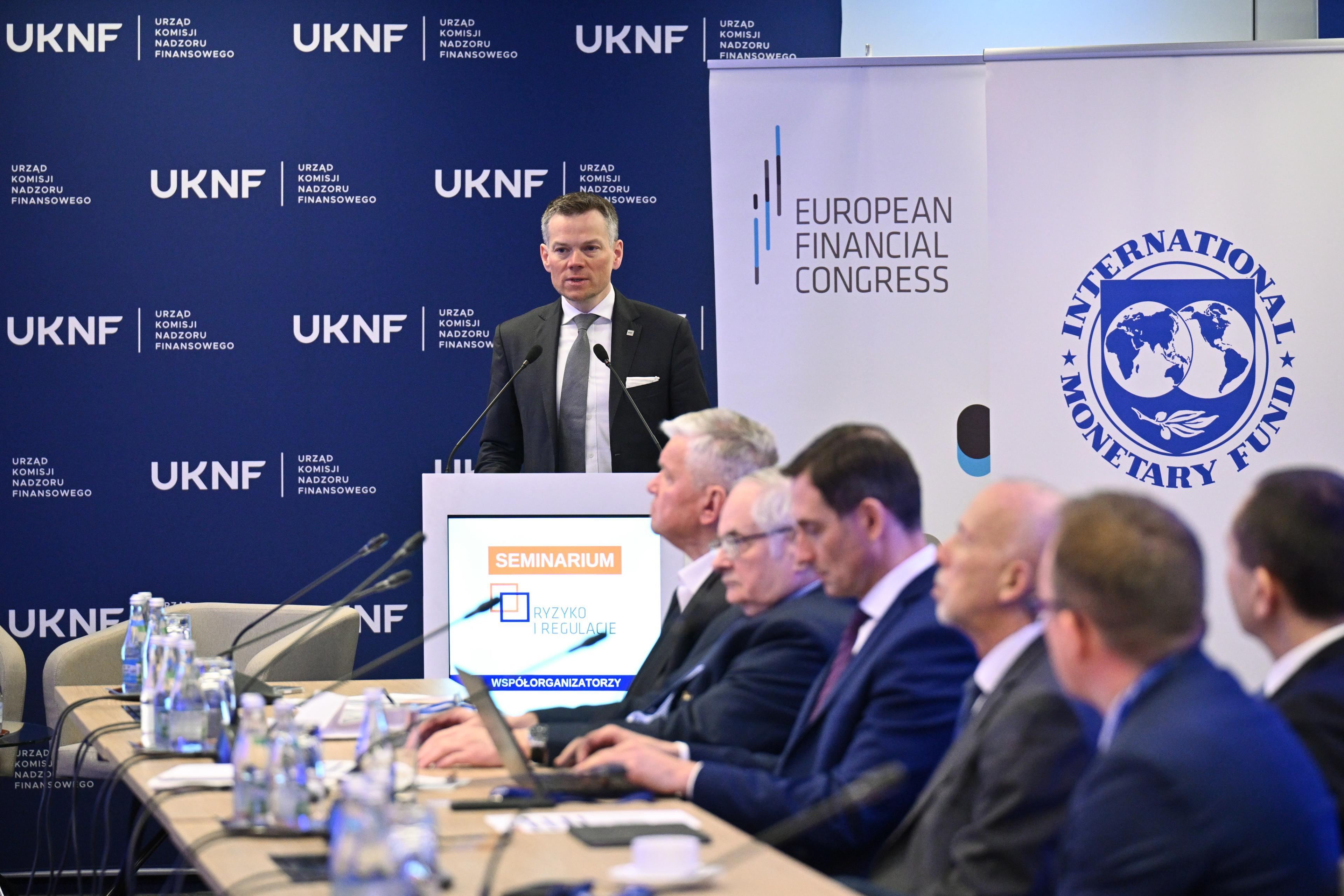
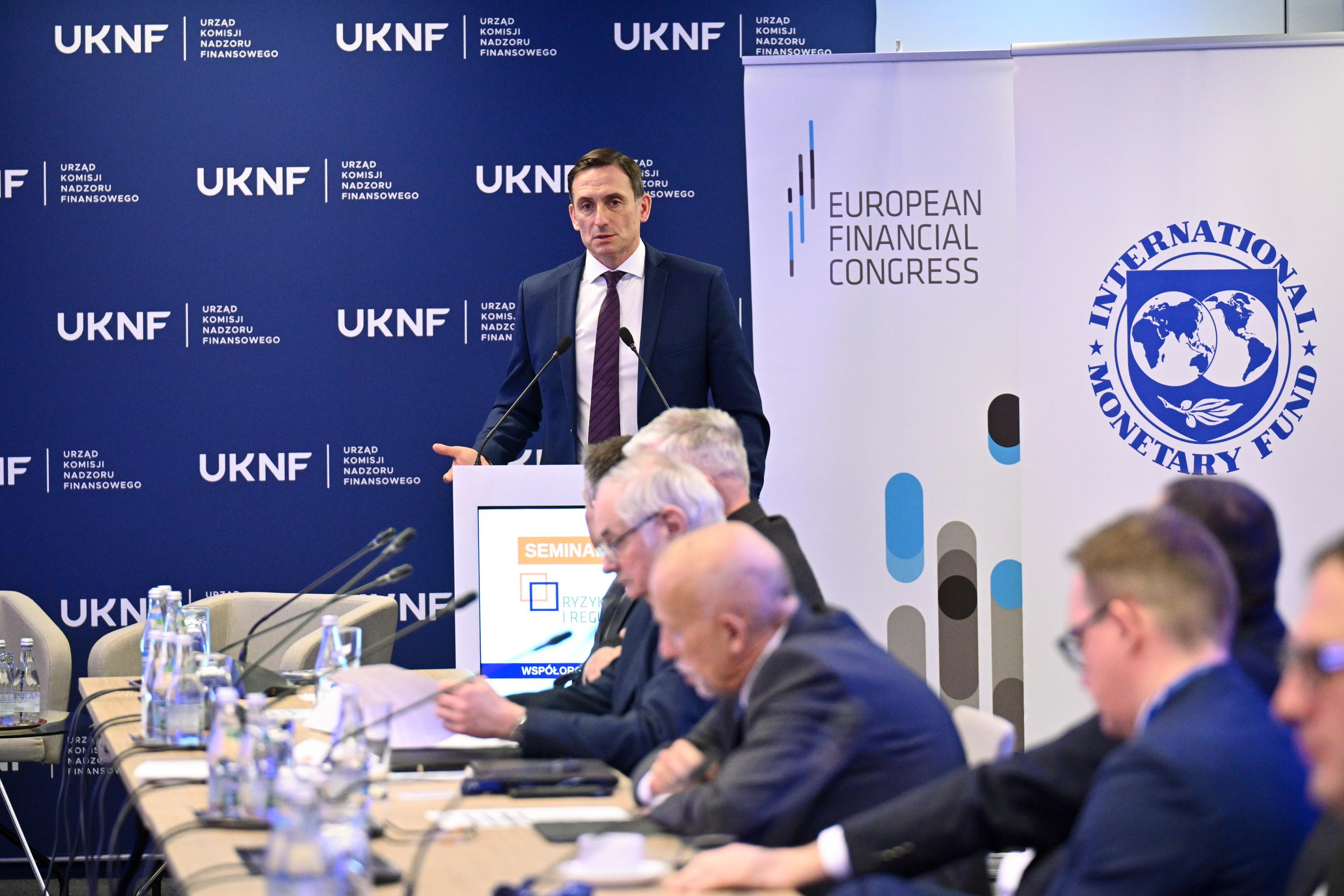
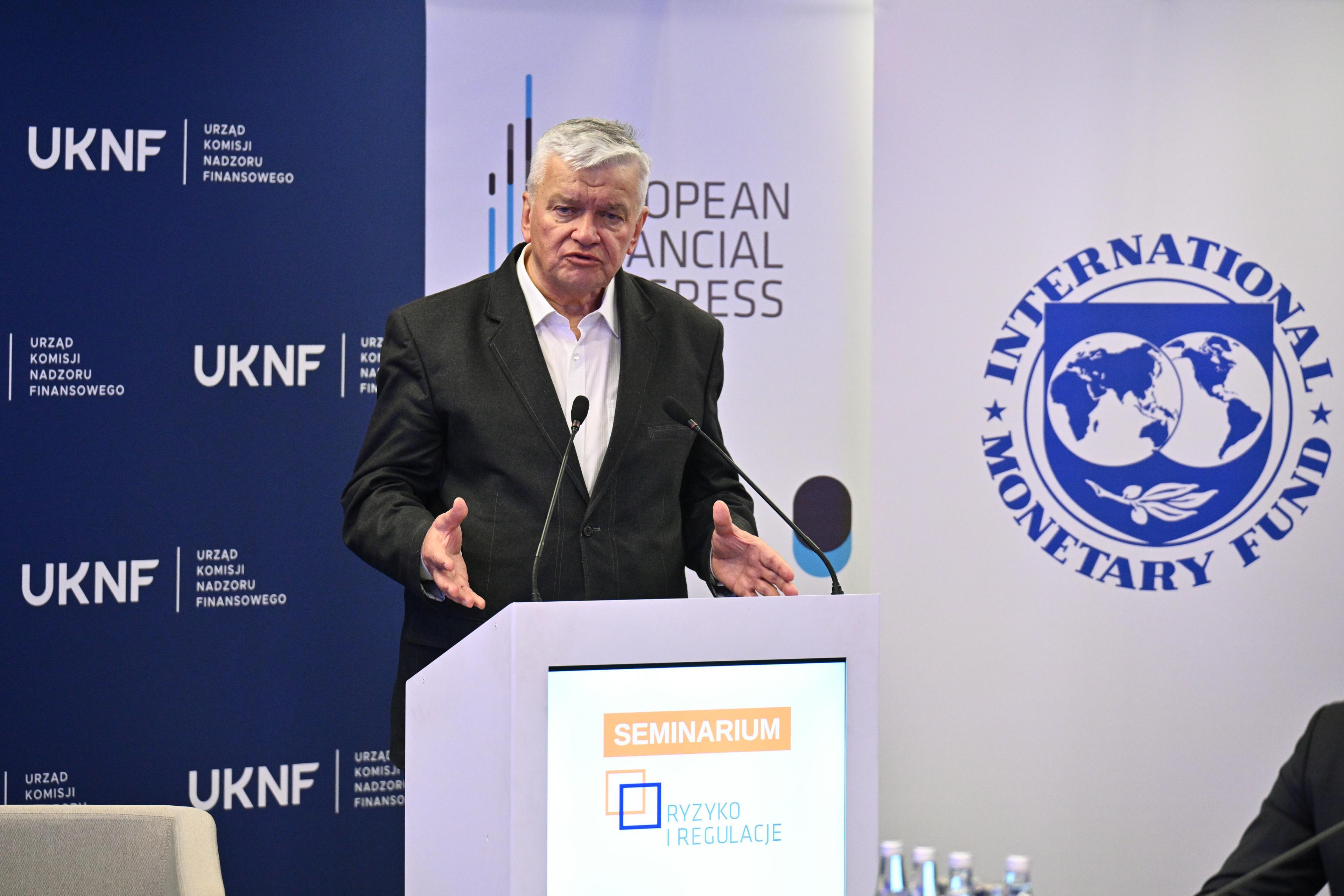
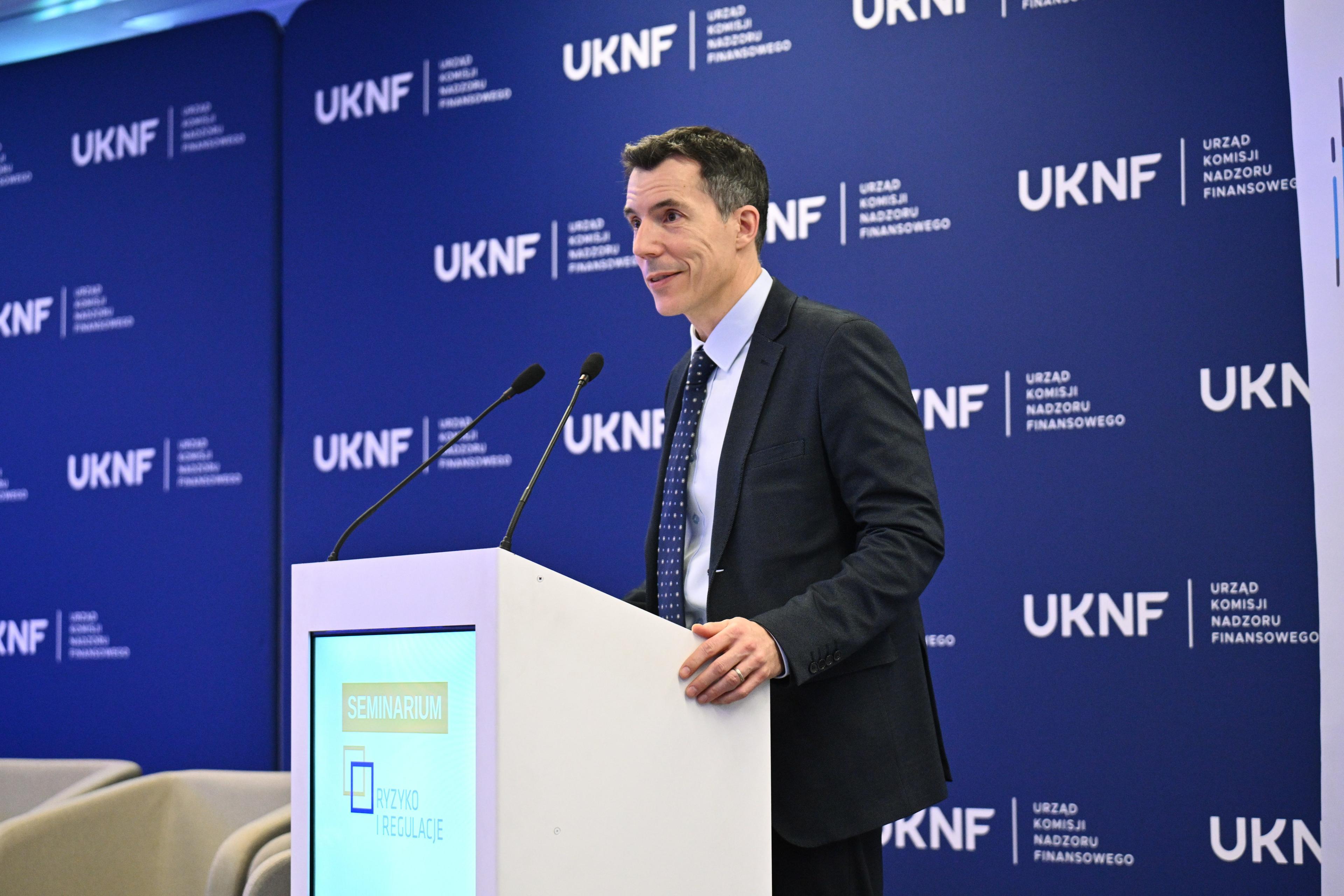
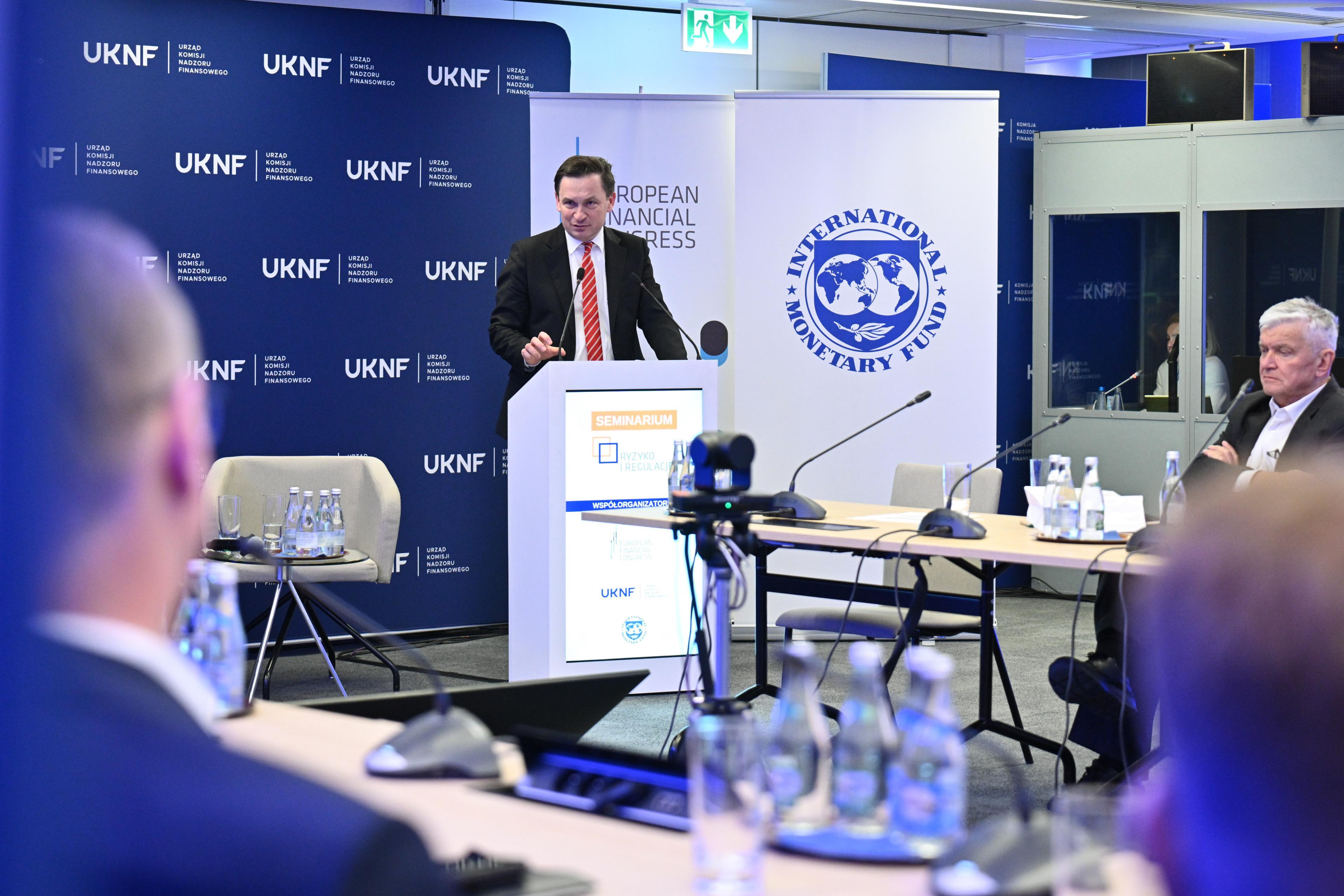
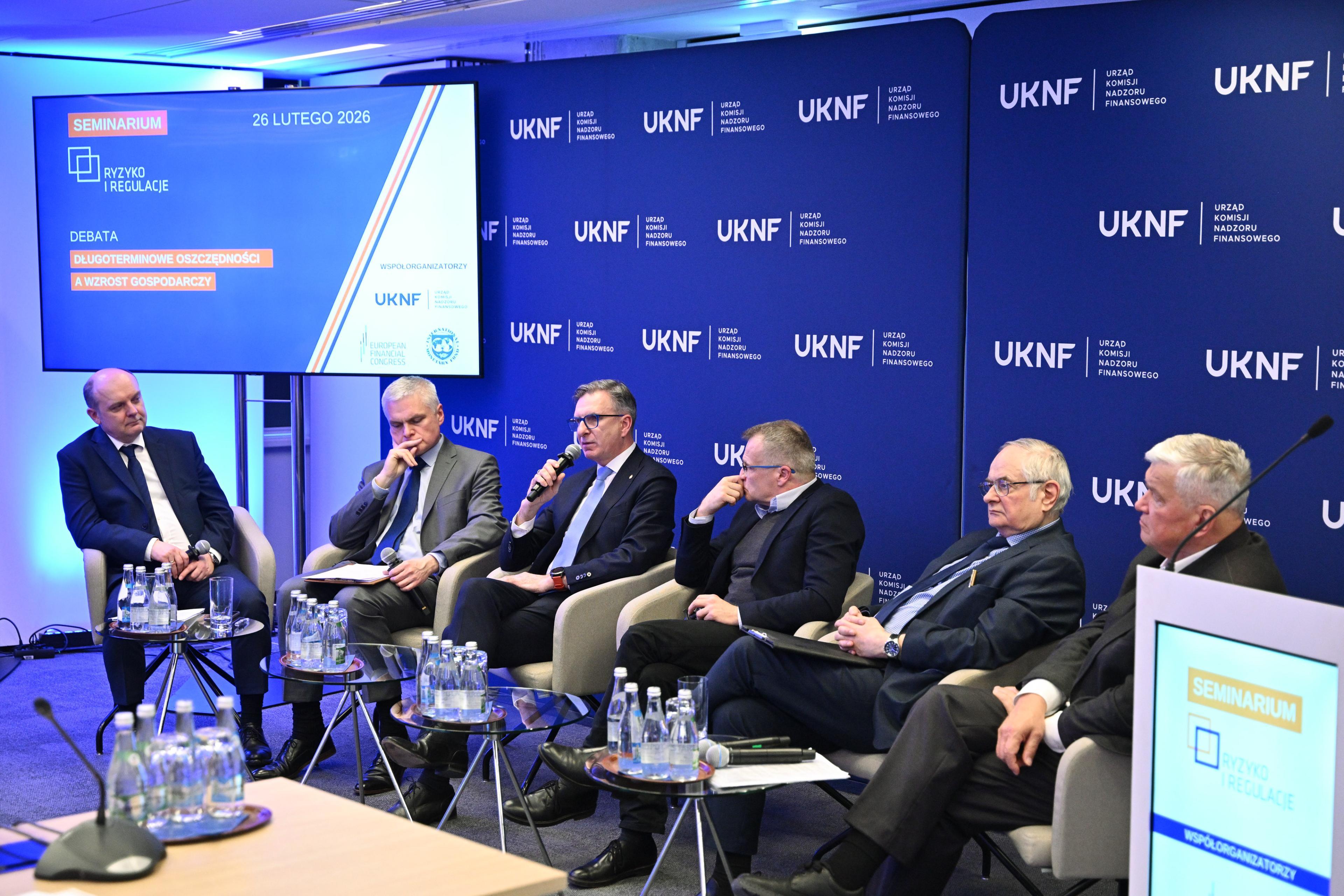
On 26 February 2026, the UKNF hosted the 5th edition of the ‘Risk and Regulations in the Financial Market’ seminar, organised in cooperation with the European Financial Congress. The seminar was co-organised by the International Monetary Fund. The main theme of the seminar was ‘Conditions of long-term investments made through the capital market’. The seminar was focused on the role of the capital market in long-term investment financing and on factors conducive to the accumulation of long-term savings. The seminar was hosted by Łukasz Wilkowicz, deputy editor-in-chief of Dziennik Gazeta Prawna.
Jacek Jastrzębski, Chair of the KNF, spoke at ‘Risk and Regulations in the Financial Sector’ seminar – link
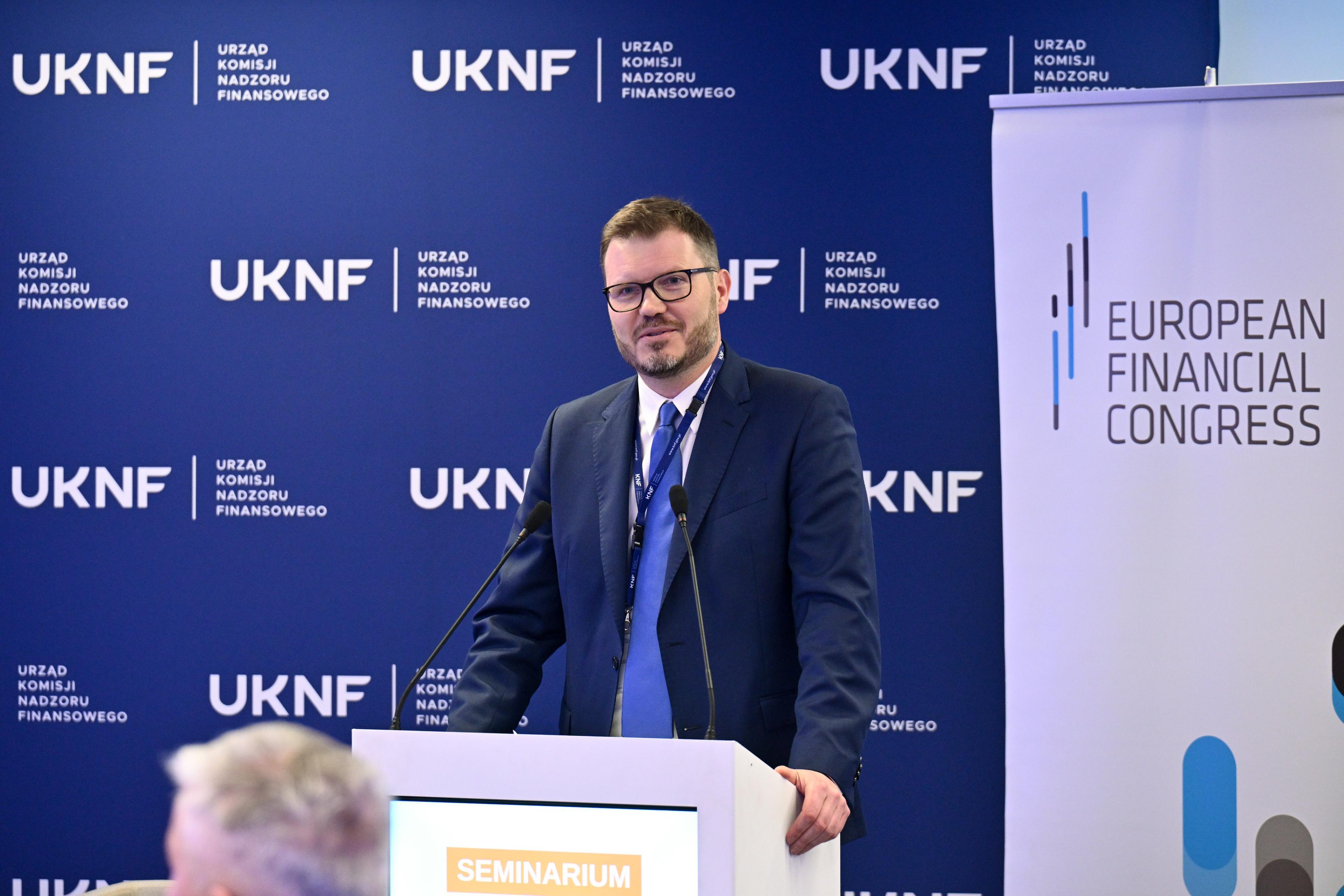
Dariusz Adamski, Deputy Chair of the KNF, gave a speech at the introduction to the ‘Risk and regulations in the Financial Market’ seminar – link
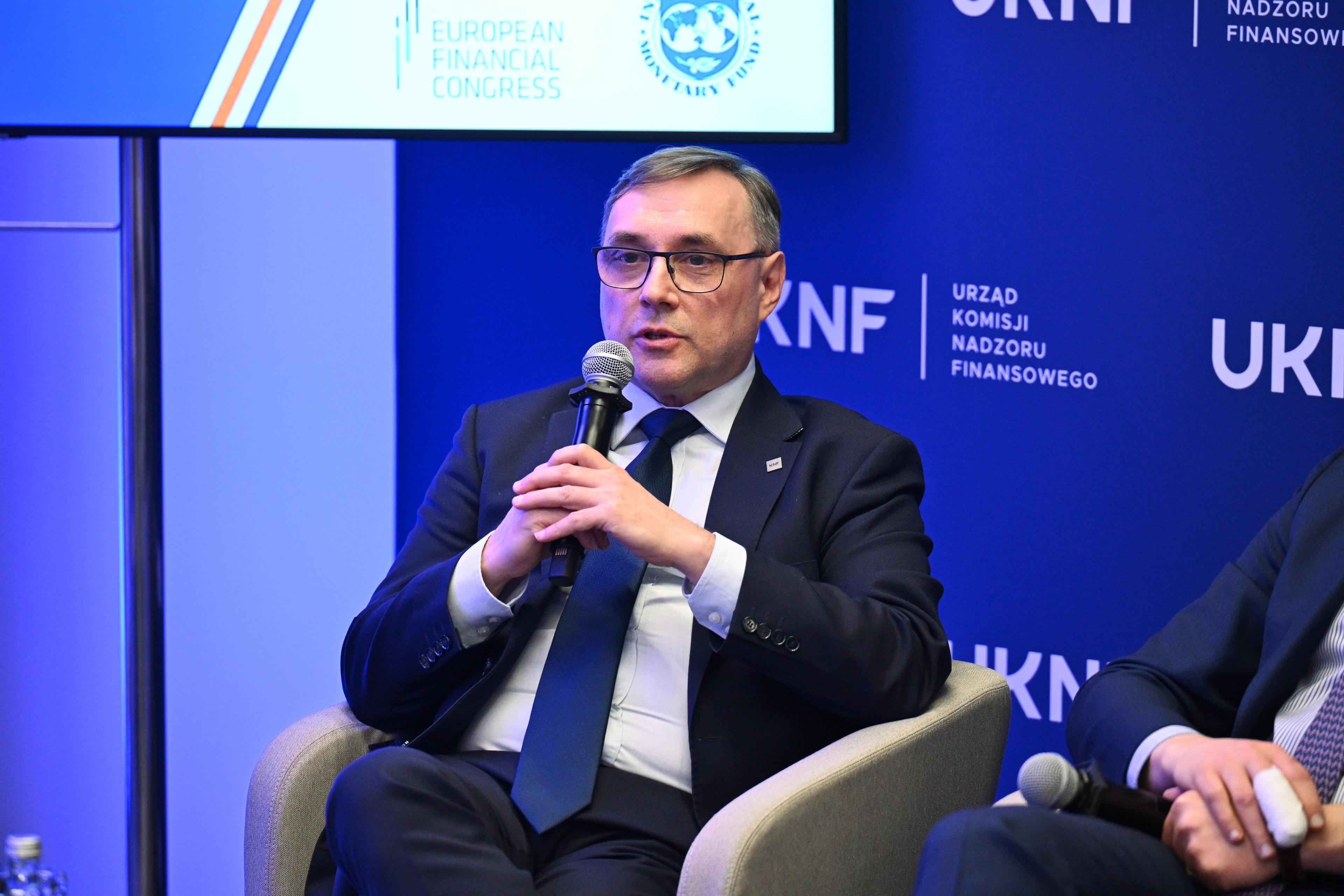
The panel entitled ‘Stimulating long-term investments through the capital market’ was joined by Janusz Ryfka, Director of Financial Market Development Department at the UKNF. In his opinion, employee capital plans (PPK) are the long-term saving scheme with the biggest potential for development. Therefore, it is worth considering its modifications to raise the level of participation in the PPK, e.g. by imposing an obligation to create PPKs on microenterprises or by mandatory enrolment of each new employee to the PPK scheme. Janusz Ryfka also presented a proposal to eliminate the so-called home bias, being an investment policy in which the share of instruments from the domestic market is high, while the share of foreign instruments is largely limited. According to him, it is worth considering the possibility of investing even the entirety of assets in foreign markets, which would be beneficial for a participant as it would increase investment opportunities and portfolio diversification. In his opinion, it is also a good idea to simplify the procedures for defining clients’ investment profiles and reduce the number of documents received by clients prior to and during a contract/transaction.
Key lessons from the seminar
- Capital market as a source of development financing
The participants in the discussions have emphasised that a strong and stable capital market is a key element of long-term investment financing. It has been pointed out that Poland needs mechanisms that favour the accumulation of capital and foster the willingness to make savings. There was a consensus among the participants that growing investment needs of the Polish economy require larger involvement of private capital.
- Financial education and social attitudes
It was emphasised during the debate that Poles’ approach to the capital market is still characterised by caution, and often even by distrust. It was pointed out that, culturally speaking, we are a society ‘working its way up’, focused more on ongoing consumption than on long-term investments.
It is necessary to systematically educate the society on the operating mechanisms of the financial market, in particular of its capital component. Financial education was mentioned as one of key requirements for accumulating the long-term domestic capital so that households could be more aware of various ways of allocating their savings.
- Diversification and saving scheme
In the context of investments, the rule of diversification was mentioned, consisting in reducing risk by spreading investments across various assets. It was also pointed out that an excessive number of instruments or saving schemes may lead to ineffectiveness as it does not necessarily translate into a higher willingness to save money. Stability, transparency, and confidence in existing solutions are of key importance.
The seminar was summarised by Łukasz Hardt, Adviser to the Chair of the KNF. He has said that the hitherto model of Poland’s economic development, based largely on low labour costs, is running out. He has emphasised that in the context of shrinking labour resources it is necessary to substitute labour with capital, which requires investments. He has also noted that savings accumulated by Polish households are significant but placed mainly in current bank accounts and bank term deposits, and in real estate.
He has highlighted that, for the purpose of creating a long-term growth, it would be beneficial to have some part of those funds allocated so as to directly support the economy through the capital market. In this context, he has mentioned the culturally and historically determined low level of willingness of Polish households to allocate funds in higher-risk instruments. He has also noted that tax and regulatory stimuli do not always foster higher involvement of investors in the capital market. He closed his contribution by stating that the UKNF, as part of its mandate, is engaged in efforts for the development of the financial market. The UKNF will be conducting analytical work to identify activities that may support such development.
The video recording of the seminar is available on YouTube.