Multimedia - Komisja Nadzoru Finansowego

COMMUNICATION
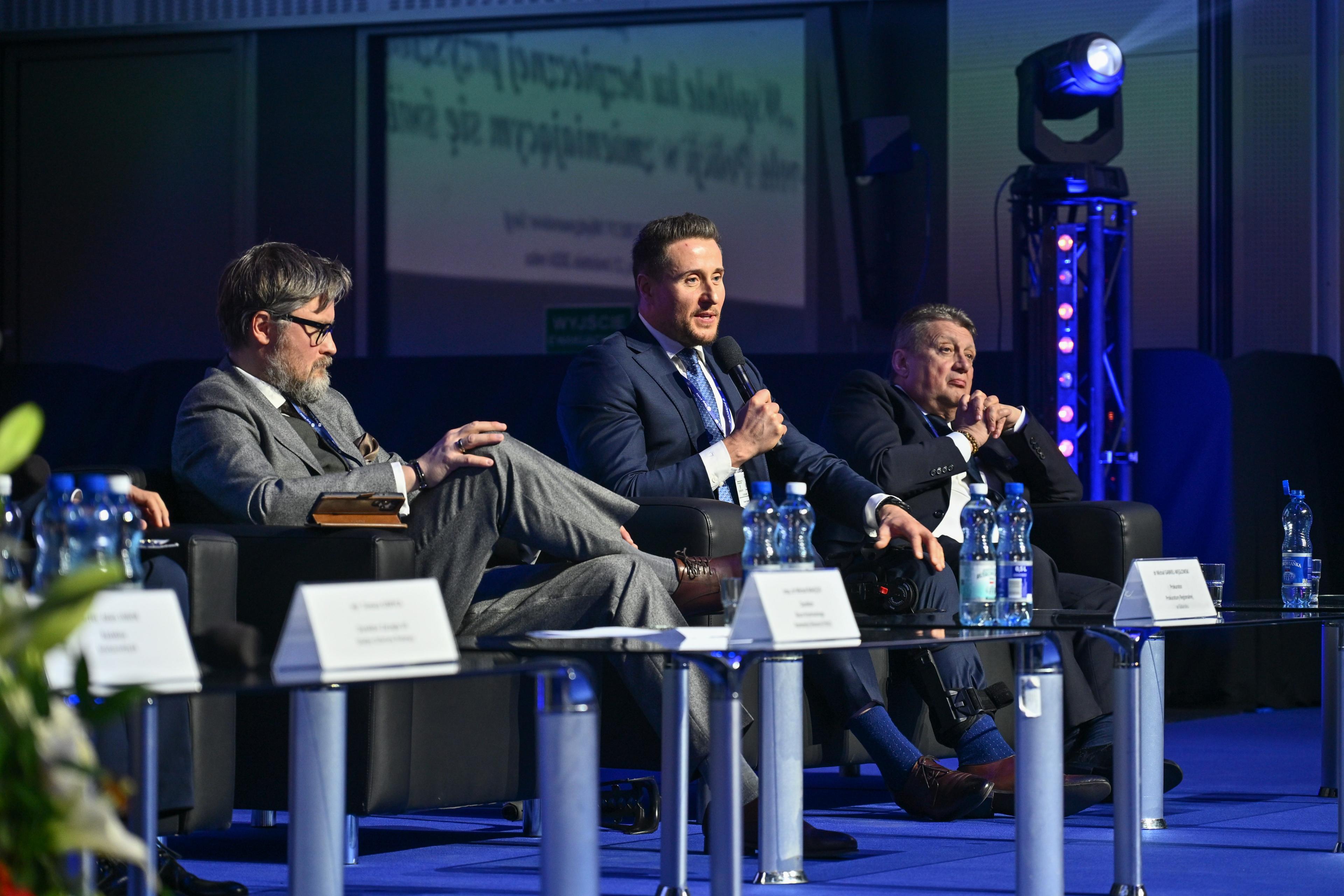
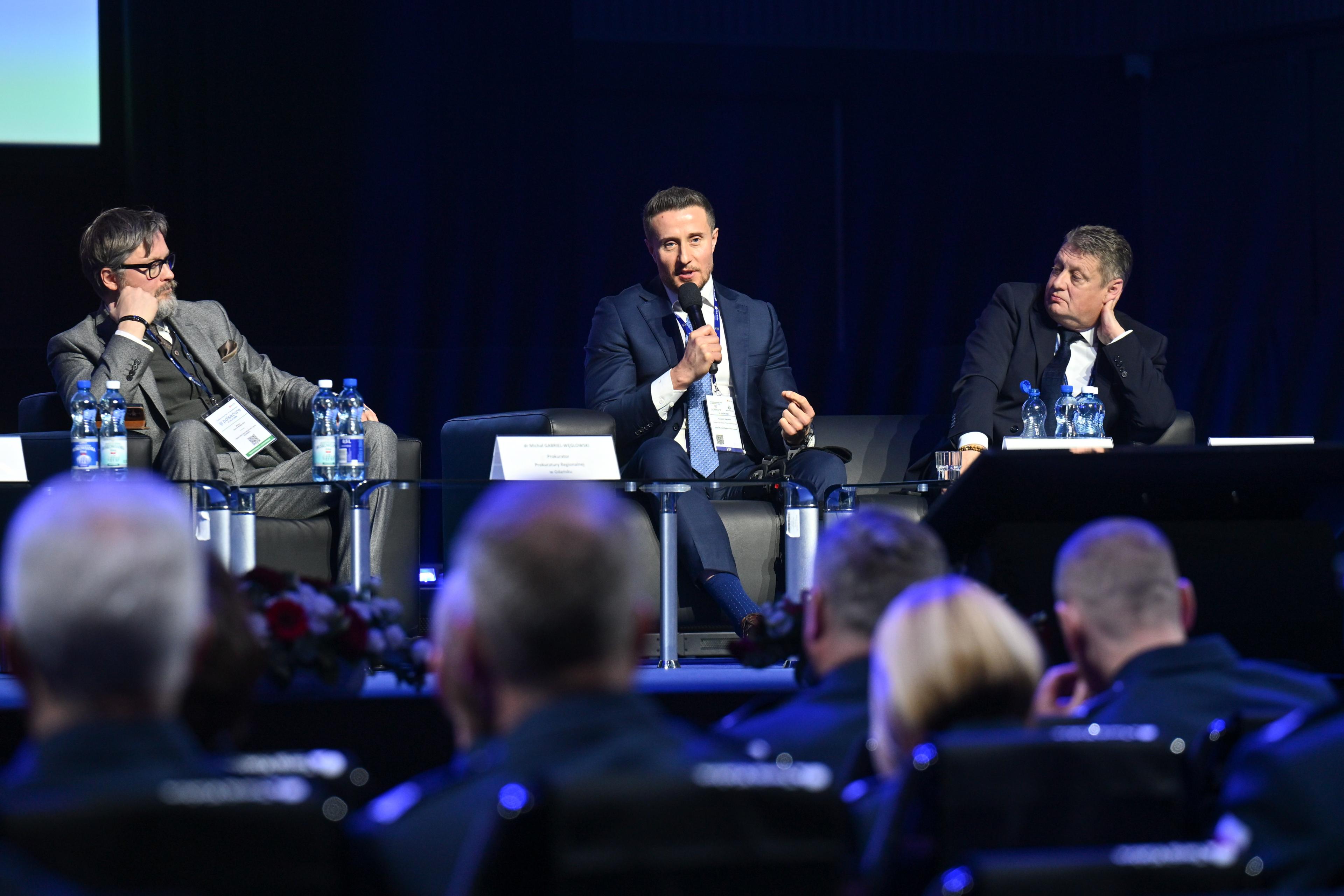
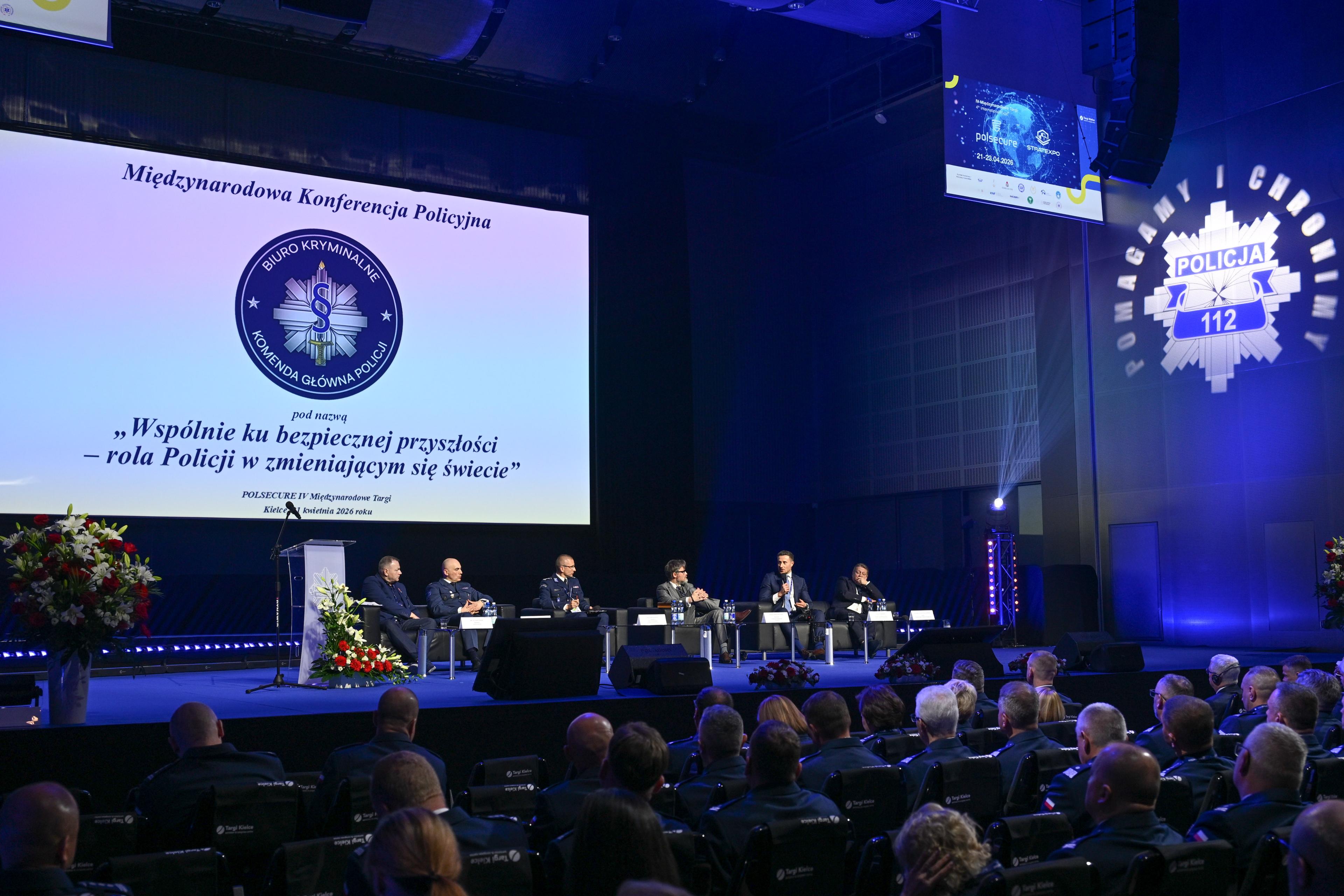
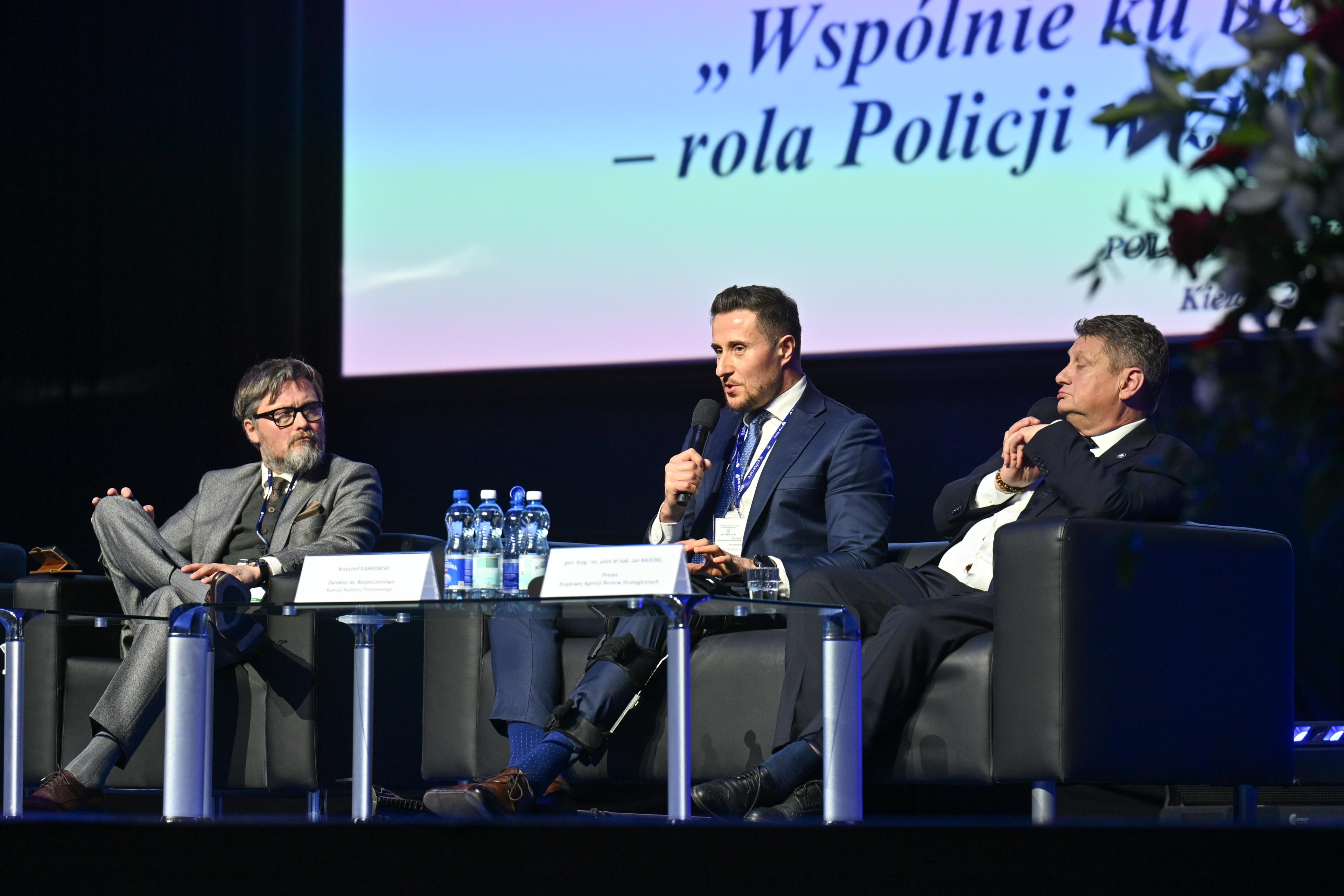
Krzysztof Dąbrowski spoke at Polsecure 2026
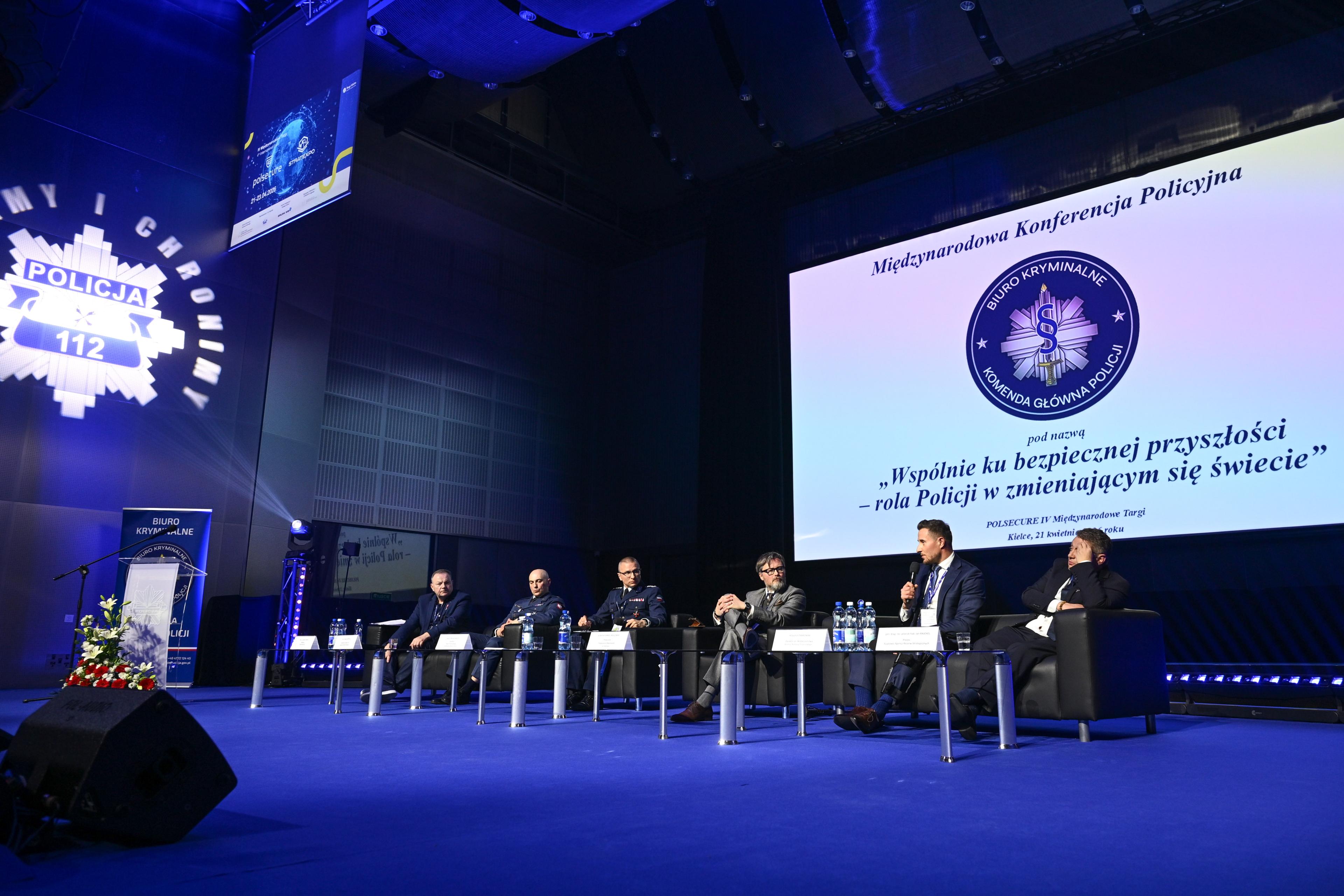
Krzysztof Dąbrowski, Managing Director of the Security Division at the UKNF, spoke at a debate during the conference ‘Together towards safe future: the role of the Police in the changing world’, held by the National Police Headquarters during the POLSECURE International Expo, bringing together the public security industry in Poland and co-organised by the National Police Headquarters and uniformed services.
During his speech, Krzysztof Dabrowski presented an analysis of current cyber threats faced by the financial sector, indicating that their scope now extends far beyond traditional crime. Cyberattacks have become a tool of geopolitical impact and an element of hybrid warfare, in which the financial sector serves as both a tool for pursuing criminal activity aimed at generating profit and a target of hostile efforts calculated to destabilise a country. Its importance arises from the fact that the financial system is the circulatory system of the economy, and any disruption in its functioning may undermine society’s confidence and cause further disruption of entire sectors and state structures.
Krzysztof Dąbrowski has pointed out that the boundary between the real and digital worlds is becoming blurred, which facilitates the emergence of new forms of crime. Criminal groups often located in Eastern Europe cooperate, focusing on targeting citizens rather than financial institutions directly. This is the result of increasingly strong safeguards within banks and regulations that enhance the sector’s resilience. Because of the high resilience of financial entities, crimes are initiated outside the financial market, most often in the infosphere, via social media, where social engineering or phishing carried out through text messages or e-mails take place.
The phenomenon is massive and continues to grow, while the real scale of losses remains unknown due to low reportability. An additional factor that empowers criminals is the advancement of AI, which enables the creation of convincing fake communications, recordings or advertisements starring well-known figures. This improves the effectiveness of manipulation and makes such materials more difficult to detect.
An important aspect is the activity of APT groups that are active long-term, often without being identified for a long period of time. Their goal is to infiltrate systems, collect information and prepare potential large-scale attacks, including those which can affect the physical world. This means that cybersecurity may have a direct impact on critical infrastructure and state security.
At the same time, more spectacular attacks are launched, such as ransomware or DDoS attacks, which may paralyse an institution or limit access to financial services. In certain circumstances, e.g. during political crises, this may trigger a public panic and undermine confidence in the state. A particularly dangerous scenario is when such activities are combined with disinformation.
Krzysztof Dąbrowski has pointed out that infosphere is becoming the key sphere of influence achieved through disinformation and manipulation of information, enabling criminals to steer social behaviour. In combination with cyberattacks and events in the real world, this creates a multi-dimensional mechanism of destabilisation.
In response to those threats, institutions such as Komisja Nadzoru Finansowego take measures to strengthen cooperation with other entities. It is vital to prepare the state and society for activities pursued simultaneously in cyberspace, the physical world and the information space. Quick identification of threats, inter-institutional cooperation, and raising social awareness are crucial for laying the foundation of state resilience.