Multimedia - Komisja Nadzoru Finansowego

COMMUNICATION
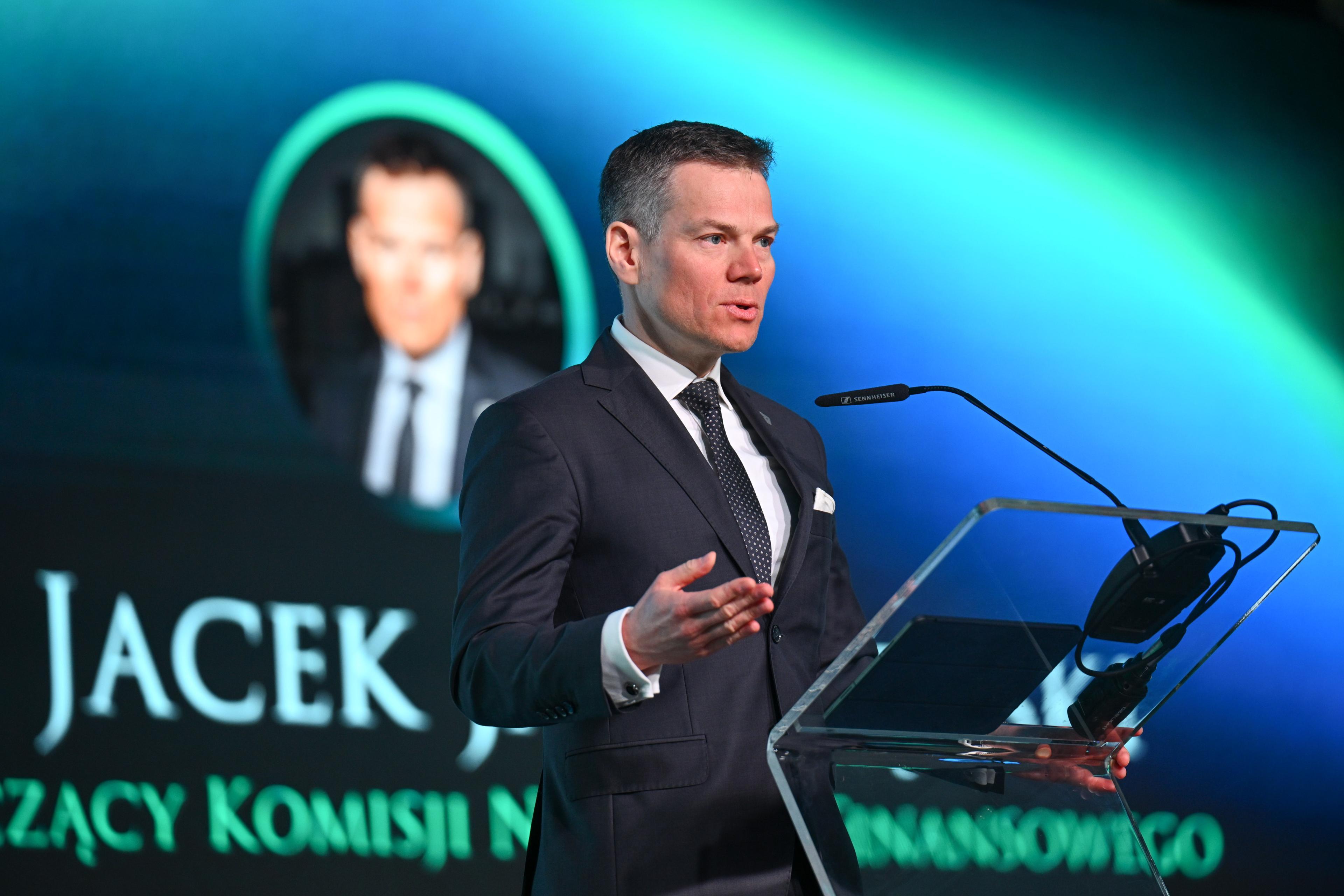
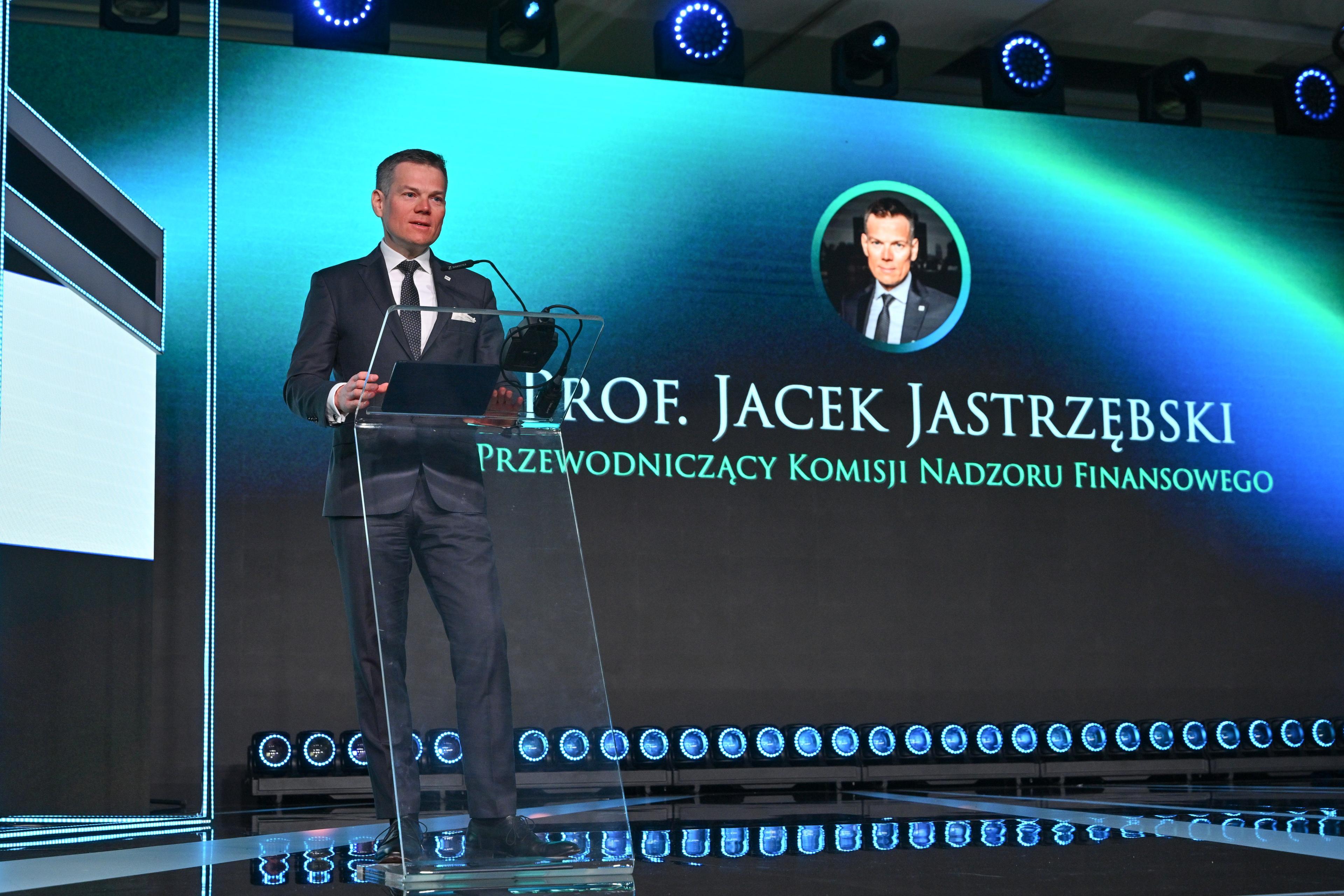
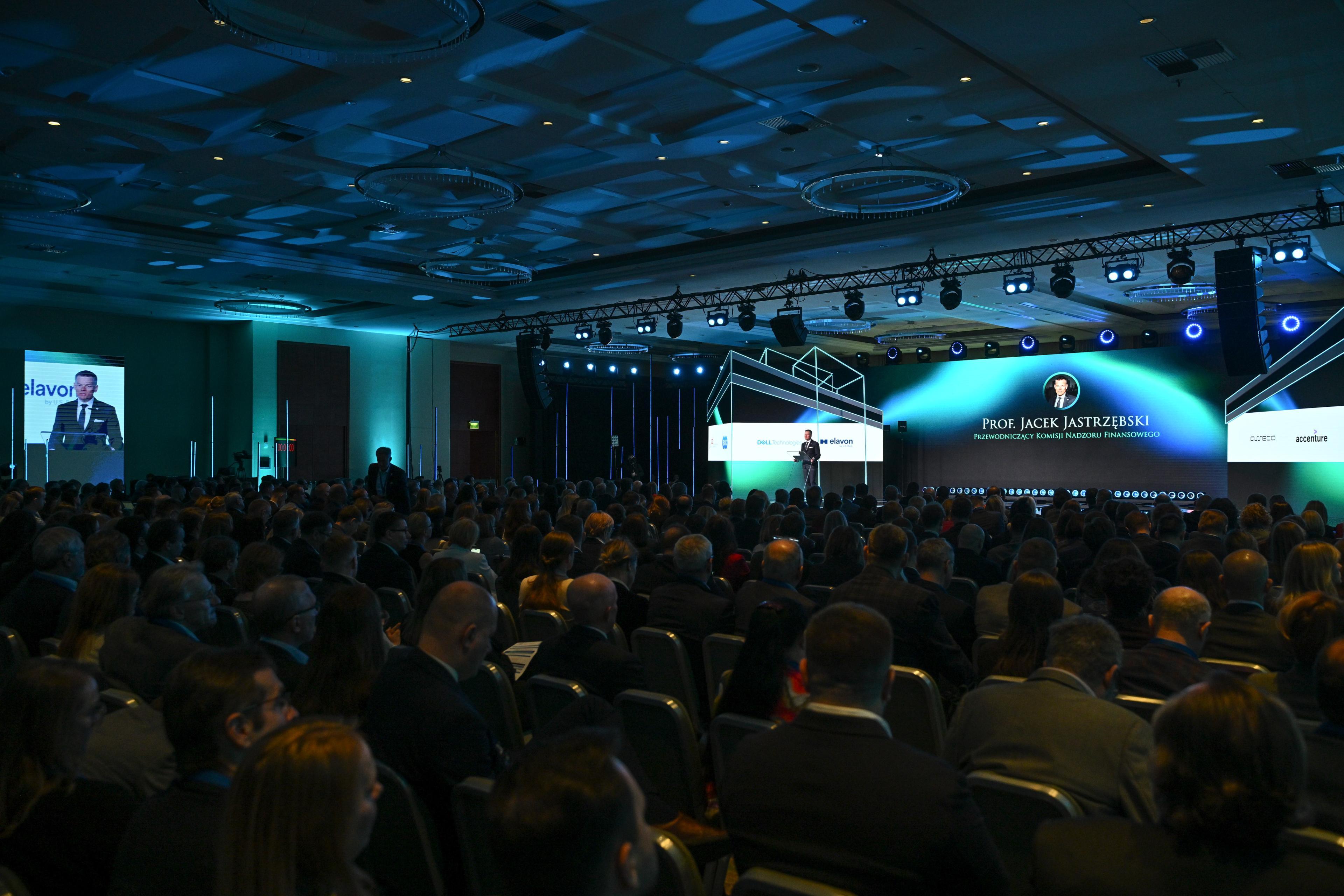
Jacek Jastrzębski spoke at the opening of ZBP Banking Forum
Jacek Jastrzębski, Chair of the KNF, gave an opening speech during the Banking Forum of the Polish Bank Association (ZBP), urging banks to build their resilience in response to growing non-financial risks and uncertainty. ‘We are shifting from traditional risk towards uncertainty; the response must be resilience’.
During his speech, Jacek Jastrzębski has outlined the direction of changes the contemporary financial sector is experiencing and pointed to the major challenges faced by banks. He highlighted the need to transition from a traditional way of thinking in terms of risk towards the concept of uncertainty which is becoming increasingly prevalent in economic analyses, international institutions’ reports, and regulations. This conceptual shift means a shift in thinking about the financial sector’s stability, which must be built not only through managing measurable financial risks but also through strengthening resilience to phenomena that are difficult to predict and measure. In his speech, the Chair has pointed out that the gradual moving away from using the concept of risk towards the concept of uncertainty is related to the growing importance of non-financial risks, which are becoming one of main areas of interest for financial supervisors and regulators.
The Chair of the KNF has assessed that, in this context, the concept of the financial sector’s resilience is gaining special importance. The concept is increasingly used in European regulations and in documents of international institutions as a response to dynamic economic and geopolitical changes. The DORA package on digital resilience of the financial sector may serve as an example, but a similar approach can also be seen in Basel regulations or recommendations of the European Banking Authority. A common denominator of those activities is a belief that the stability of the financial sector does not depend exclusively on the financial condition of institutions but also on their ability to respond to technological, cyber or reputational crises.
Jacek Jastrzębski drew the attention of the audience to the growing role of technology in banks’ activities. Financial institutions increasingly cooperate with tech companies, and digital solutions are no longer merely operational support but the core of their business model. However, this progress involves new threats, including the risk of cyberattacks and financial crime. Contemporary cybercrime groups function as professional organisations, often operating on the international scale and sometimes linked to hostile regimes. Their aim is not only to gain financial benefits but sometimes, or even first and foremost, to destabilise economic systems and undermine trust towards public institutions and the financial system. Even a single incident may be used in this situation as a proof of weakness of the whole system. For this reason, solidarity of the banking sector and cooperation among institutions of various scale of business become increasingly important. As the Chair of the KNF pointed out: ‘the strength of a chain is determined by its weakest link’, which is why large banks and infrastructural institutions should support smaller entities in enhancing security standards. Only joint actions can ensure an appropriate level of protection against cyber threats and systemic risk.
Among other non-financial risks, he mentioned also the issues of counteracting money laundering and terrorist financing, as well as the risk of fraud and unauthorised payment transactions. Contemporary fraud schemes are gaining in complexity, and financial institutions must use modern tools, including AI and machine learning, to detect suspicious operations. At the same time, regulators need to safeguard proper allocation of risks between banks and clients in order to avoid the moral hazard situation. Banks should implement solutions that protect customers against fraud, but customers cannot be fully released from responsibility for their decisions that later prove wrong or that have been made under the persuasion of other people.
Geopolitical factors also play an important role when the banking sector’s future is analysed. Armed conflicts, international tensions, as well as shifts in global supply chains affect exchange rates, asset prices, and businesses’ willingness to invest. Geopolitical uncertainty reduces demand for investment loans and may hamper economic development. In this context, the banking sector should actively support businesses in financing investments in order to stimulate economic growth and enhance the country’s economic resilience.
The Chair of the KNF ended his speech by referring to the growing share of treasury securities in banks’ portfolios. Even though the risk is being considered moderate, it requires cautious observation and analysis. At the same time, the Chair pointed to the record financial results of banks in 2025, resulting to a large extent from high interest rates. He emphasised that banks should use the current period of good economic situation to accumulate capital buffers and develop loan offers for customers. He also urged the banking sector to return to a model based on financing investments and supporting the real economy. Even though banks need to deal with new types of risks and uncertainty, their essential role is still to provide capital necessary to develop businesses and economy. This is where they can build long-term value and social trust.