Jacek Jastrzębski spoke at the 25th Capital Market Conference of the Chamber of Brokerage Houses (IDM)
Modification date: 2 April 2025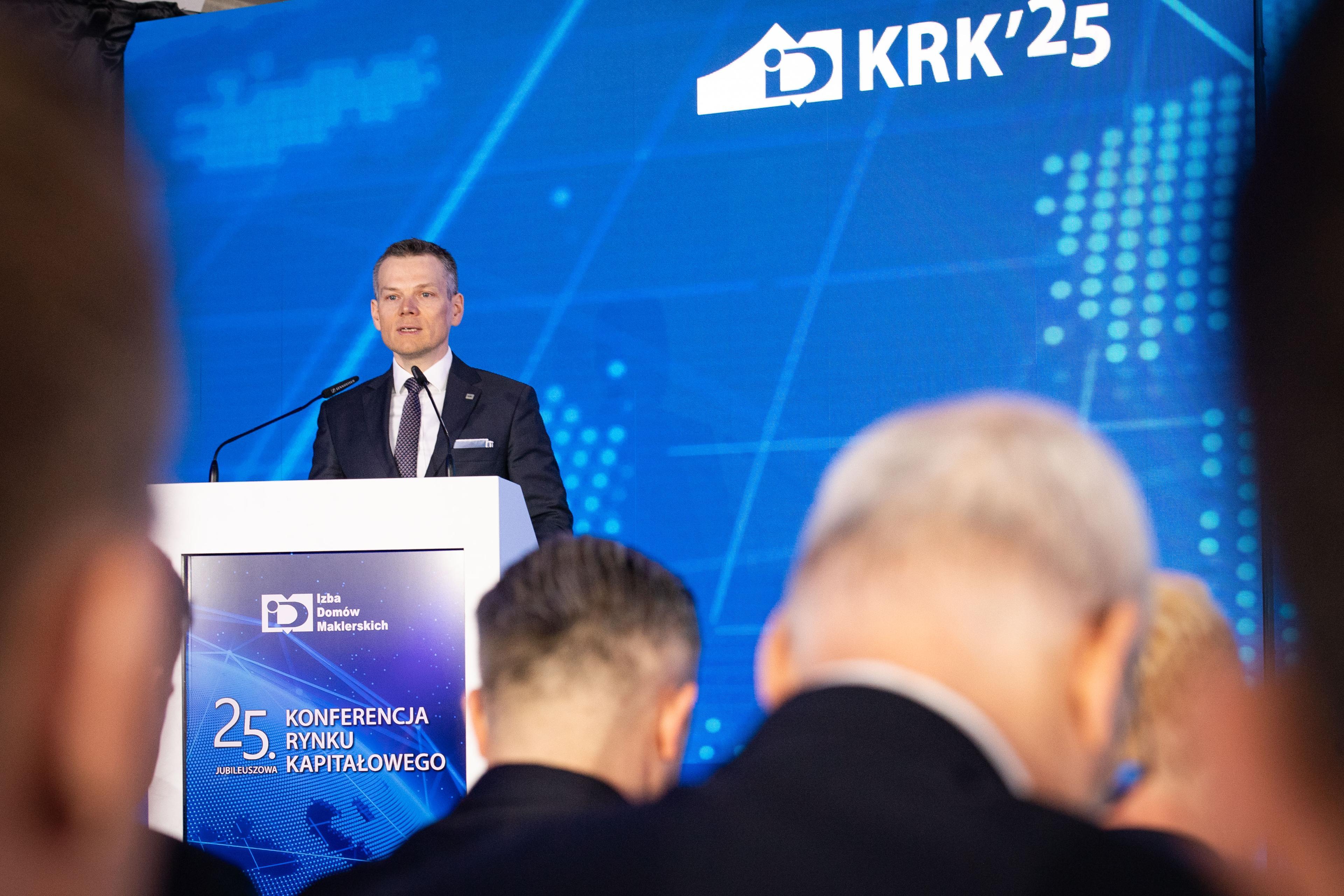
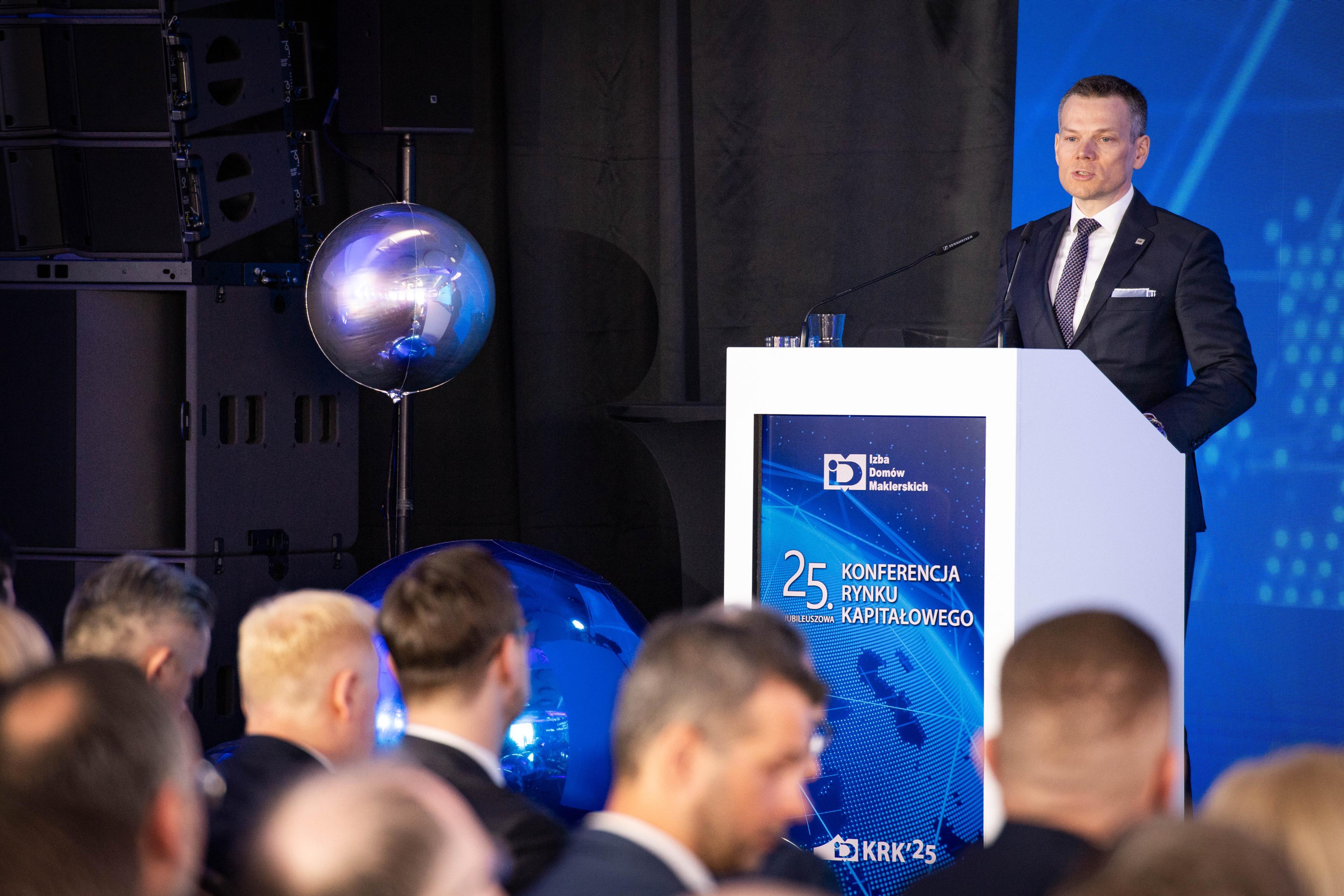
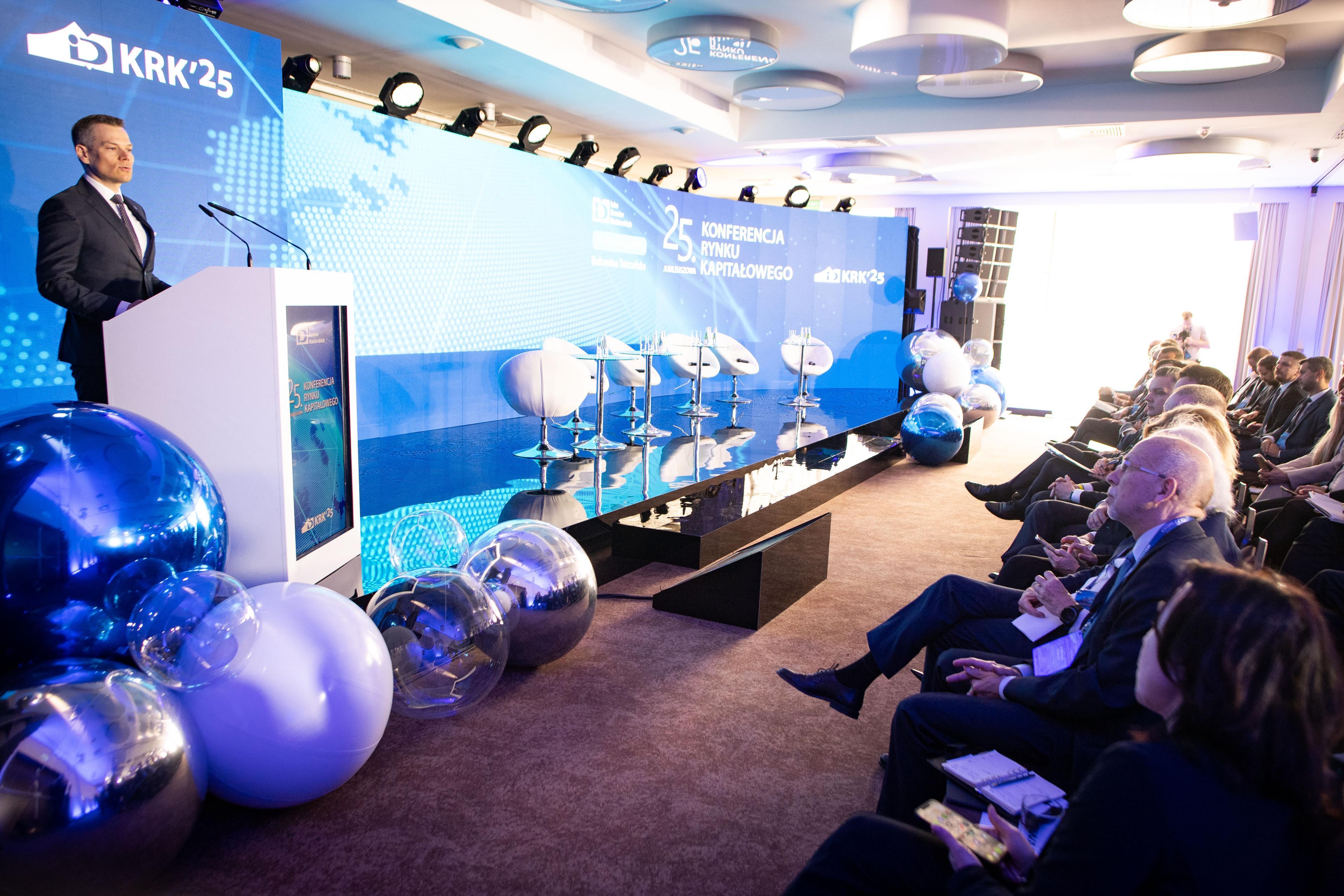
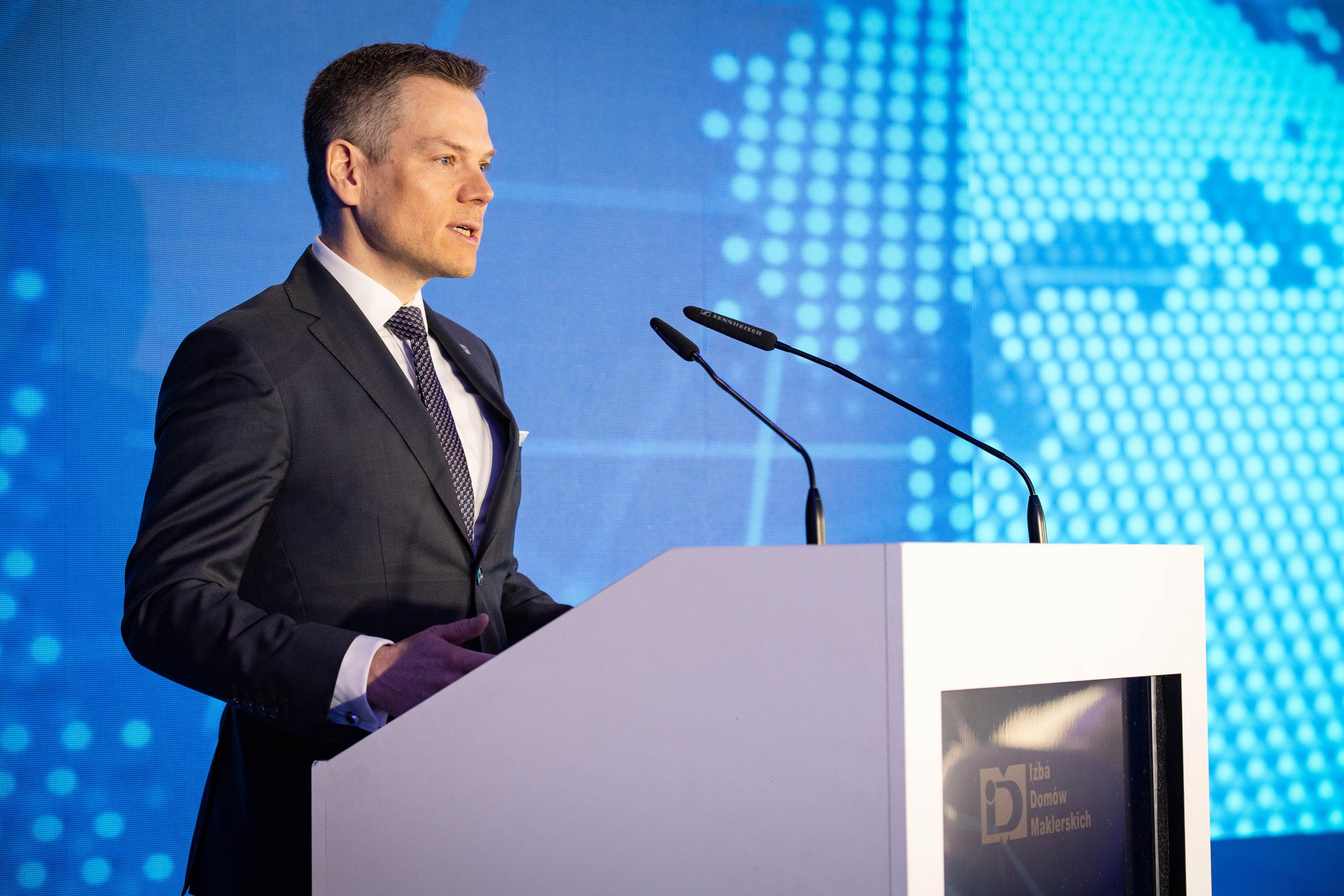
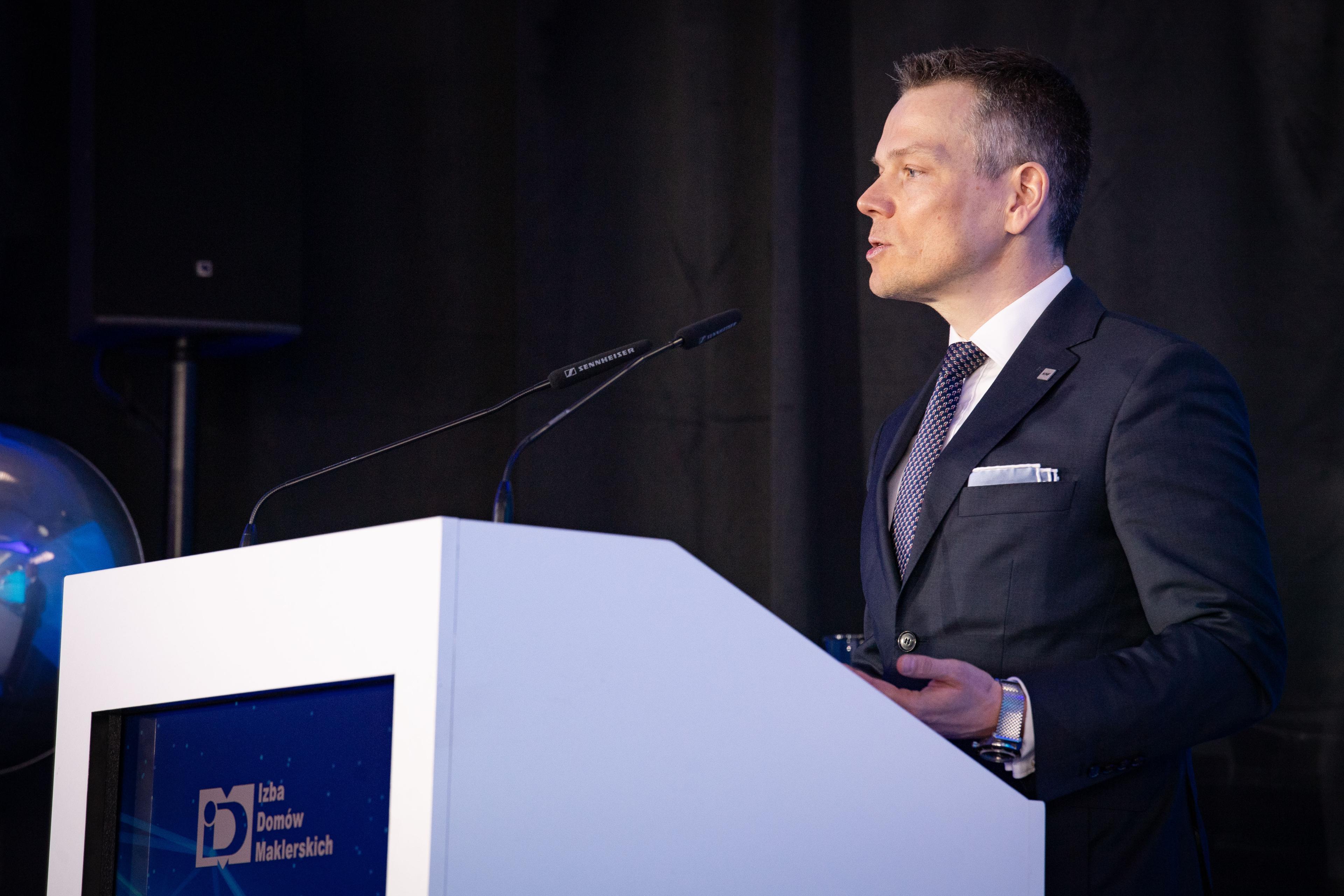
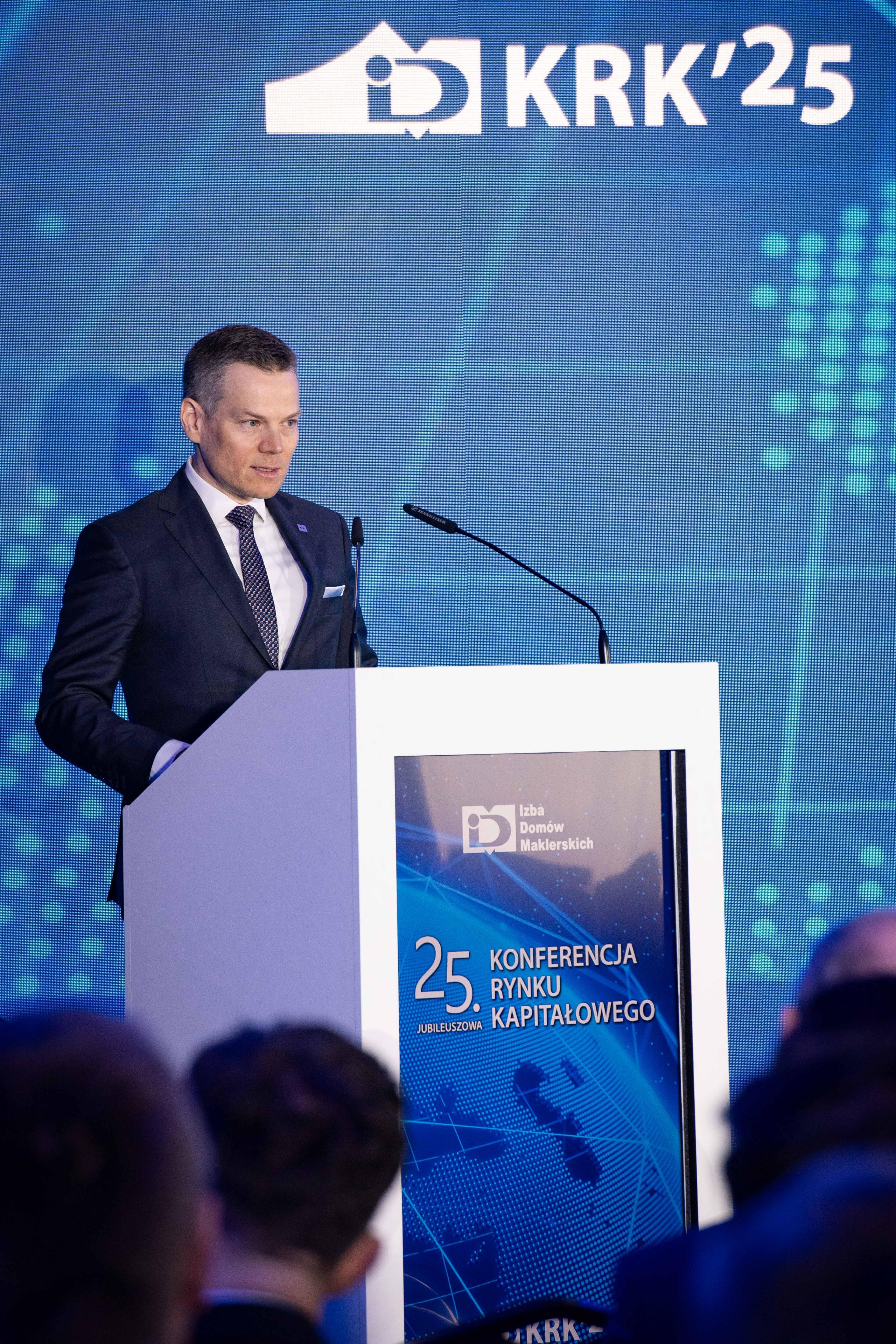

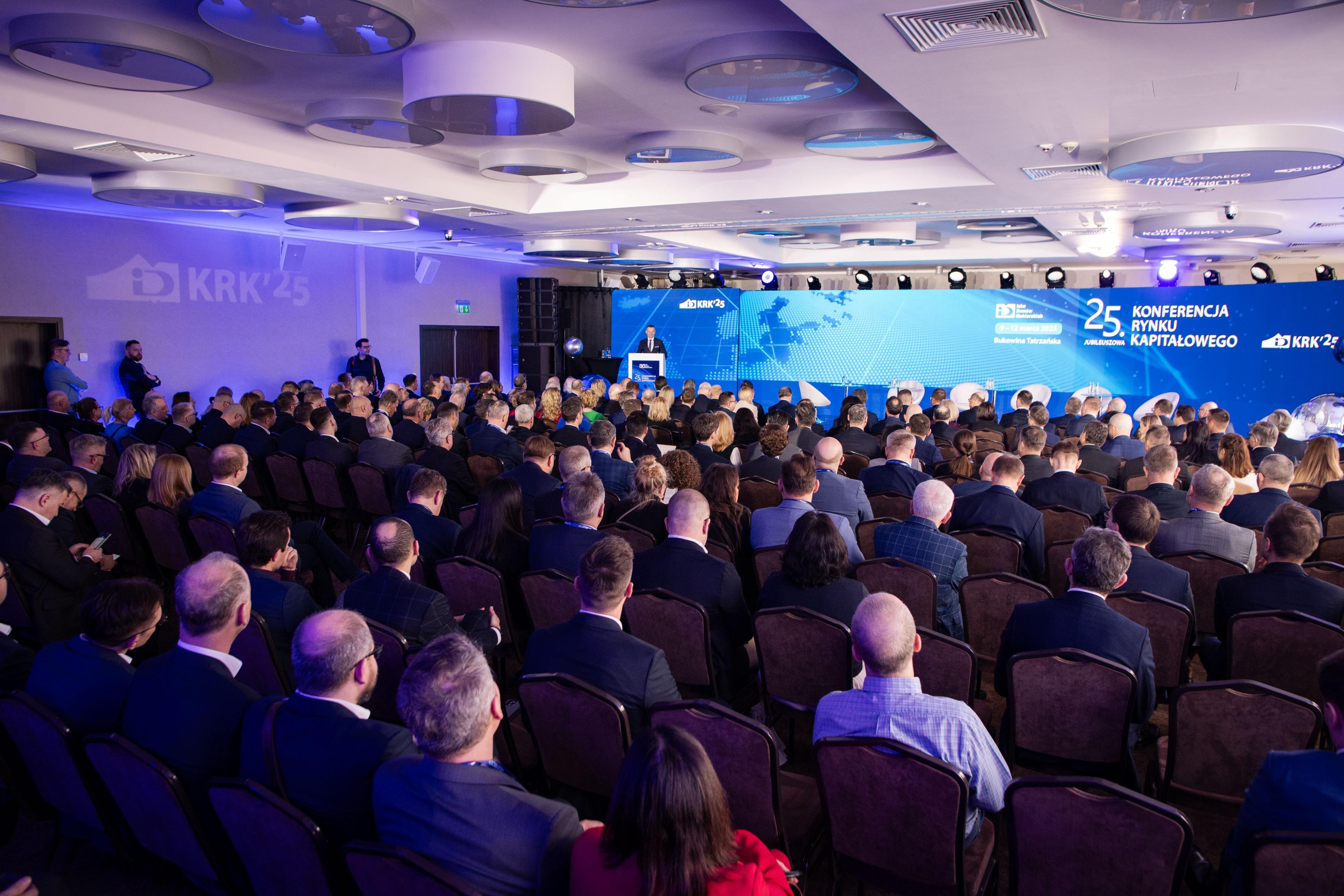
Jacek Jastrzębski, Chair of the KNF, delivered opening remarks at the jubilee 25th Capital Market Conference of the Chamber of Brokerage Houses (IDM), held in Bukowina Tatrzańska. The KNF took on an honorary patronage over the Conference. In his opening address, Jacek Jastrzębski focused on deregulation, savings, investments, and the need to reopen the Polish market to risk.
The key points of the Chair’s address:
- We are all pre-occupied with the issue of how to make the Polish capital market a market that is competitive and attractive to clients and to those who want to raise capital. We recognise an important role of the banking sector in financial sector assets. The trend to build this advantage is intensifying as the share of banks in the financing of the economy is growing faster than that of other sectors. At the same time, we can see that securities, in particular treasury bonds, become a growing part of the banking sector and they force out lending activities.
- We face a question of how to redirect some of the funds accumulated at banks towards the capital market, and, via this channel, towards investments. The Polish economy needs investments and it needs the creation of long-term saving methods that are indispensable not only because of investment-related needs of the economy, but also because of demographic factors.
- This brings us to a question: how to strengthen the capital market? Firstly, through streamlining, deregulation, or – so-called – simplification. Besides that, other actions are needed as well. A triad worth pointing to is as follows: simplifications/deregulation, savings, and investments.
- We are glad that the European Union has realised that regulatory and reporting burdens for issuers are excessive and it is high time to make them more reasonable. A large part of initiatives related to the so-called Omnibus directive are in line with our reflections. We treat this initiative as confirmation of the political will to implement such simplifications. And we want to support them.
- The regulations we are now facing are the aftermath of the financial crisis. This was our response to the risk that materialised in late 2000s.
- We became a victim of our own success: we were so effective in eliminating risks that the success of eliminating that particular risk went far beyond our expectations. And we achieved the ‘de-risking’ of the EU financial sector, but this happened at the expense of its competitiveness, which deteriorated radically, and at the expense of investments as the redirection of funds to investments was radically reduced.
- We need to reopen the financial market to risk. If we fail to do so, we will find ourselves in a trap. We will find ourselves in a situation where we want to have various categories of assets but, at the same time, we want to ensure that our investors have a similar level of risk for all the assets, preferably comparable to bank deposits. This is impossible.
- We need the financial market to be more open to projects in their early stage of development or to the private market. We need to figure out how to reasonably let the risk enter the financial market to avoid the errors that were made in the past but, on the other hand, to move away from the paradigm of a complete ‘de-risking’.
- It is much easier to tighten the screws on the market and justify it on the grounds of security, stability, and prudence. However, at the current point of the economic cycle, the task we are facing is of another nature. We cannot tighten the screws even more as we see that they have been already tightened very much.
- Now it is necessary to take responsibility and take personal risk in order to reverse ‘de-risking’ to some extent. This is a task to be pursued by all of us, both political actors, supervisory authorities, and the market. It is necessary to leave the comfort zone – if this approach is to be rationalised, it is necessary to honestly admit that this may involve an increase in risk. And this decision must be an informed decision of all the parties involved, from legislators, through regulatory and supervisory authorities, to market participants themselves.
- The level of Poles’ savings should continue to increase, but the savings should also be redirected to the capital market. This requires multi-faceted measures. It is up to the capital market to create a long-term savings product. We believe that a good model that may be used is an employee capital plan (PPK) as, on the one hand, it ensures the option of exiting the investment if life plans change. On the other hand, this product should be developed in such a manner that long-term investment of funds is encouraged.
- We agree that the development of a pan-European capital market requires fighting against its fragmentation. The question is, however, how we want to address this fragmentation. Centralisation, in its institutional sense, either of supervisory authorities, or of institutions of the capital market, is not the best solution. We acknowledge a great value that lies in the harmonisation of supervisory practices, and in ensuring supervisory convergence. Consequently, we believe that European institutions and capital market supervisory bodies should be, first and foremost, a platform to coordinate supervisory practices of specific Member States, in particular where there are significant differences.
- Building the interoperability of the market is a good step towards its integration. In our opinion, this may be a better choice than institutional centralisation. The idea is to ensure that a client who uses capital market services, e.g., through trading platforms, enjoys the same ‘user experience’, no matter from where and how they log in. No institutional integration is necessary to achieve that goal.
- As the financial supervisor, we want to support all initiatives that will foster the growth of the Polish capital market. We want the Polish market to benefit to the fullest from all the results of the very ambitious EU agenda on the integration of European capital markets.