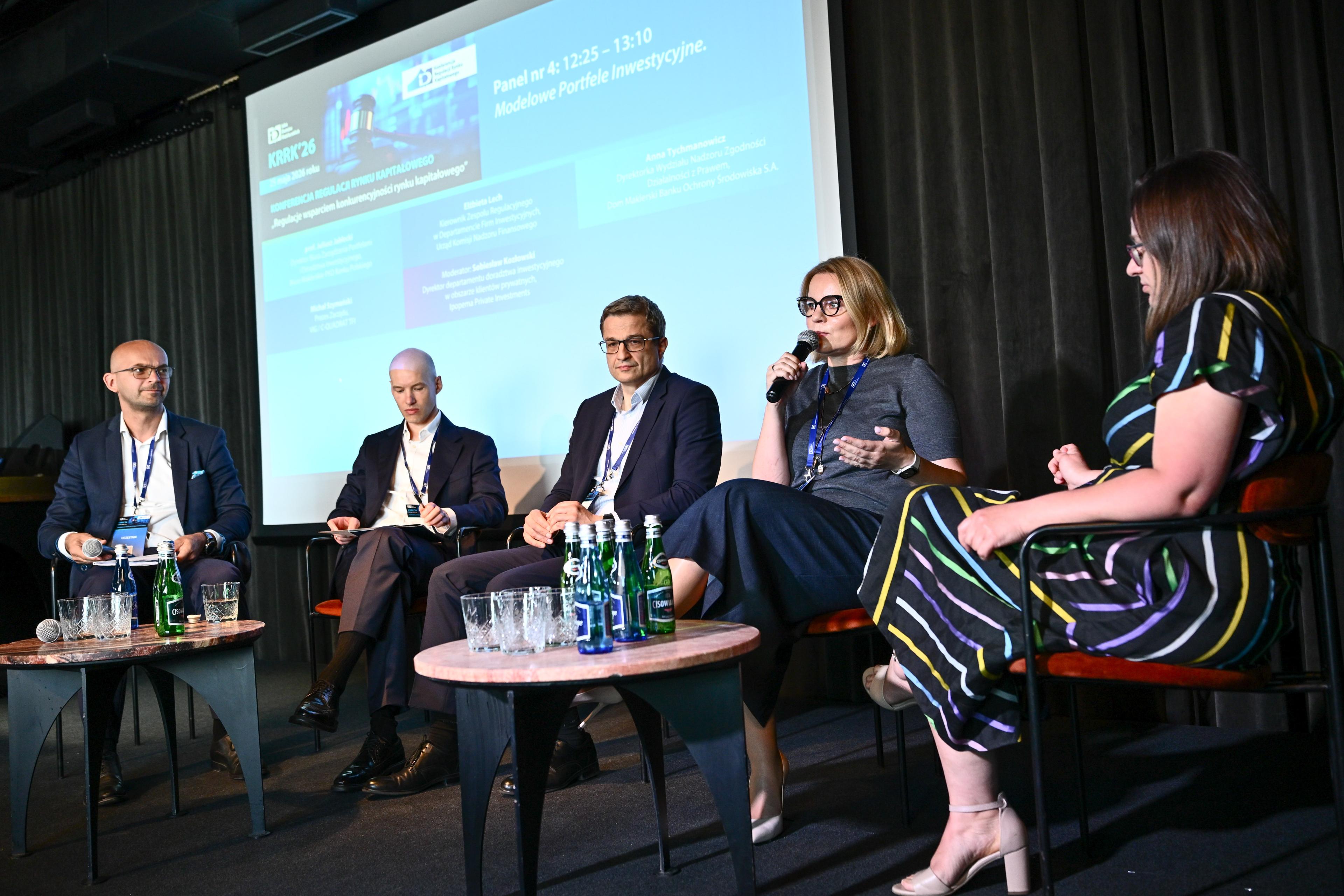
Representatives of UKNF spoke at Capital Market Regulation Conference of Chamber of Brokerage Houses (IDM)
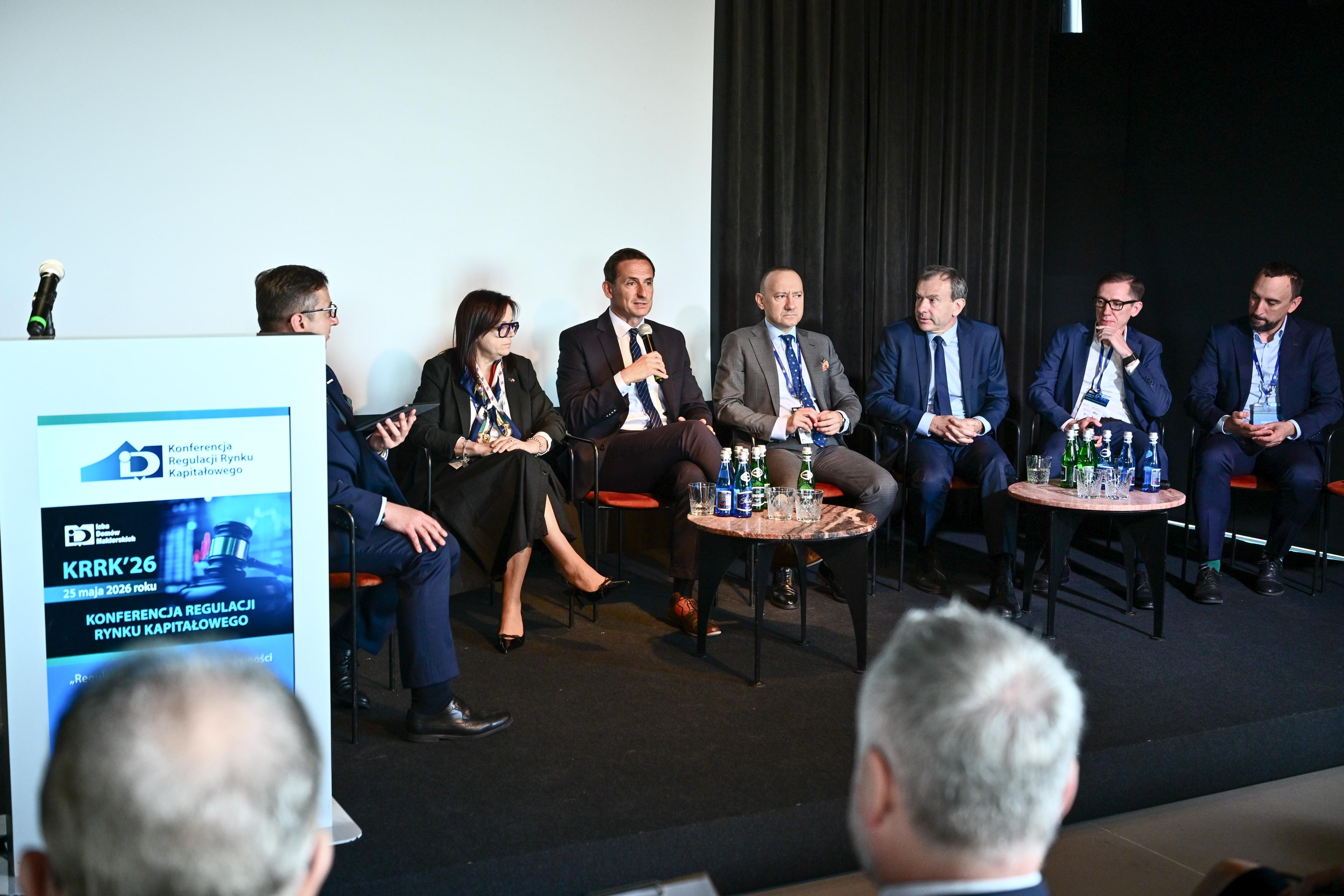
Dariusz Adamski – Deputy Chair of the KNF, spoke at a panel entitled ‘From savings to investments: will Personal Investment Accounts (including umbrella accounts) put an end to the domination of deposits and real property and consequently change the capital market?’.
The success of Personal Investment Accounts will depend on the simplicity of the product and on real costs for investors. ‘Personal Investment Accounts are likely to increase interest in long-term investments provided that it is a solution understandable for a wide group of investors, also in terms of tax benefits,’ Dariusz Adamski said. As he emphasised, in a capital market such as the Polish one, where an investment horizon is far too short to give retail investors predictable and beneficial returns on investments, the most important thing should be the accumulation of long-term assets, in particular for retirement purposes. ‘Personal Investment Accounts can play an ancillary function to other pension products, as they do not have, and they cannot have, any intrinsic mechanisms allowing for the extension of the investment horizon’.
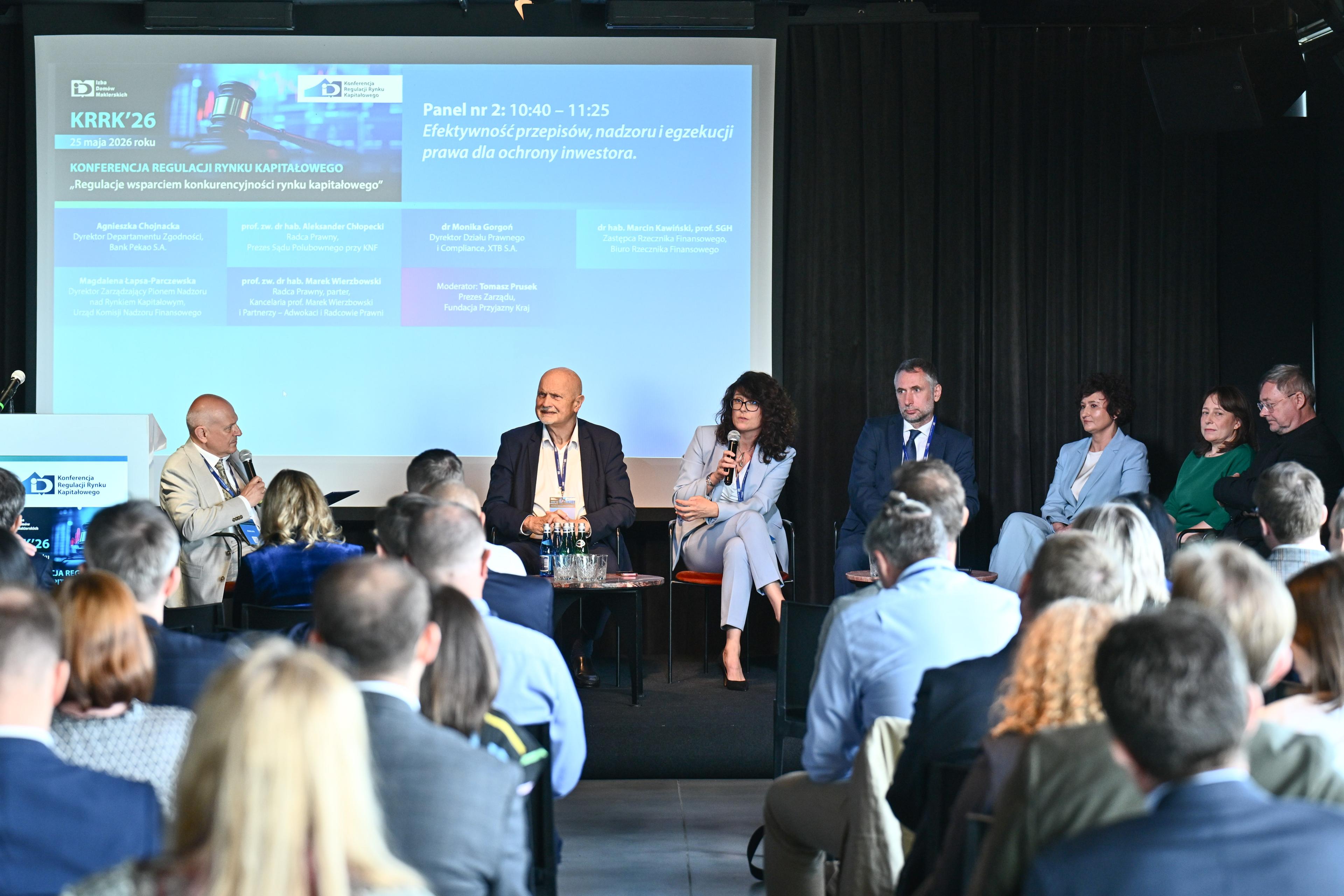
Magdalena Łapsa-Parczewska – Managing Director of the Capital Market Supervision Division of the UKNF spoke at a panel: ‘Effectiveness of legal provisions, supervision and law enforcement for the protection of investors’.‘Investor protection should not be based on extensive documentation and formal information requirements. Information provided to investors should be clear and useful. Extensive information requirements do not improve the security of market participants and often even make it more difficult to make informed investment decisions,’ Magdalena Łapsa-Parczewska said.
She also emphasised that ‘it is of key importance to build investors’ awareness in the context of risk as investment risk is a natural element of long-term savings and capital creation.’
Dorota Nowalińska – acting Director of the Investment Firms Department, during a panel entitled ‘Simplification of onboarding, appropriateness testing and MiFID questionnaires: directions of changes in national law’ pointed out that proposed changes in regulations on the appropriateness assessment of non-complex instruments within the meaning of the Act on trading stay within the framework set by MiFID II and respond to main issues related to this assessment that were signalled by the market.
In the case of clients who have not invested before, it will be possible to skip the part of the questionnaire referring to their experience. It will be, however, necessary to check if clients have knowledge about basic features of the instrument and the profit-to-risk ratio. It is a solution beneficial to firms as it allows to assign a specific client to a target group at the stage of product governance, namely, for instance, to the group of non-complex financial instruments.
The UKNF does not provide for any departure from the earlier interpretation of ESMA regulations and guidelines in regard to complex instruments, in particular of speculative nature. The UKNF will be paying attention to how entities use the solutions proposed by the UKNF in respect to building modules, score keeping or advising the clients to fill in questionnaires. Letting the risk into the capital market does not mean that clients should be willing to accept more risk but the willingness to take risk should also be on the part of entities operating in that market.
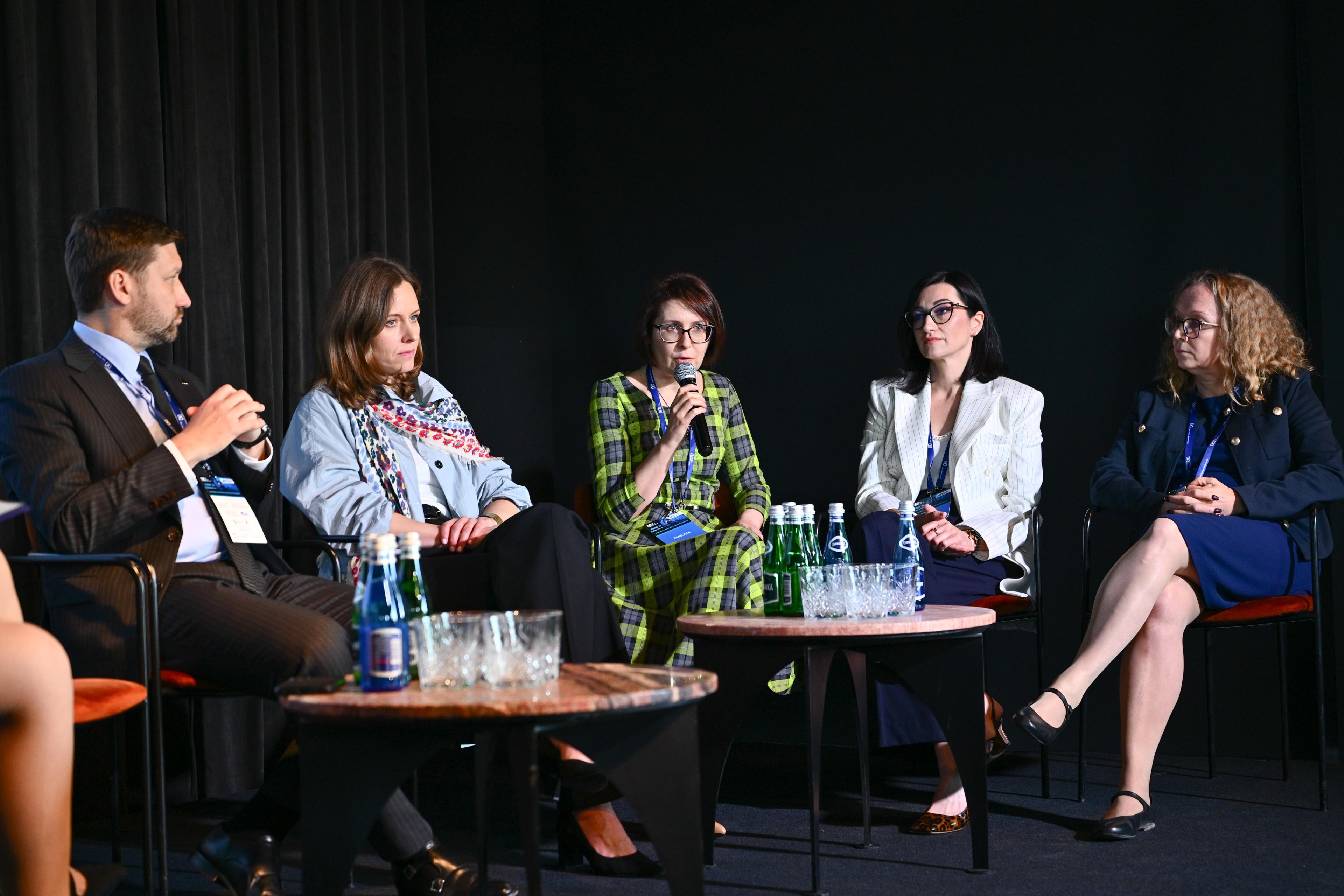
Elżbieta Lech – Manager of the Regulatory Supervision Team at the Investment Firms Department, took part in a panel entitled ‘Model Investment Portfolio’, during which she emphasised that portfolio solutions allow for the diversification of investment risk through an appropriate selection of instruments in the portfolio.
Rules and conditions of the functioning of portfolios must be transparent and clearly defined so that firms are not at the risk of facing the charges of unauthorised provision of investment advisory services or portfolio management services. The overall regulatory framework so far defined by the UKNF is a good foundation for building those solutions by specific market participants, adjusted to instruments they offer and to their clients’ needs. The development of a market standard would be an unnecessary limitation and could restrict the development of the product.
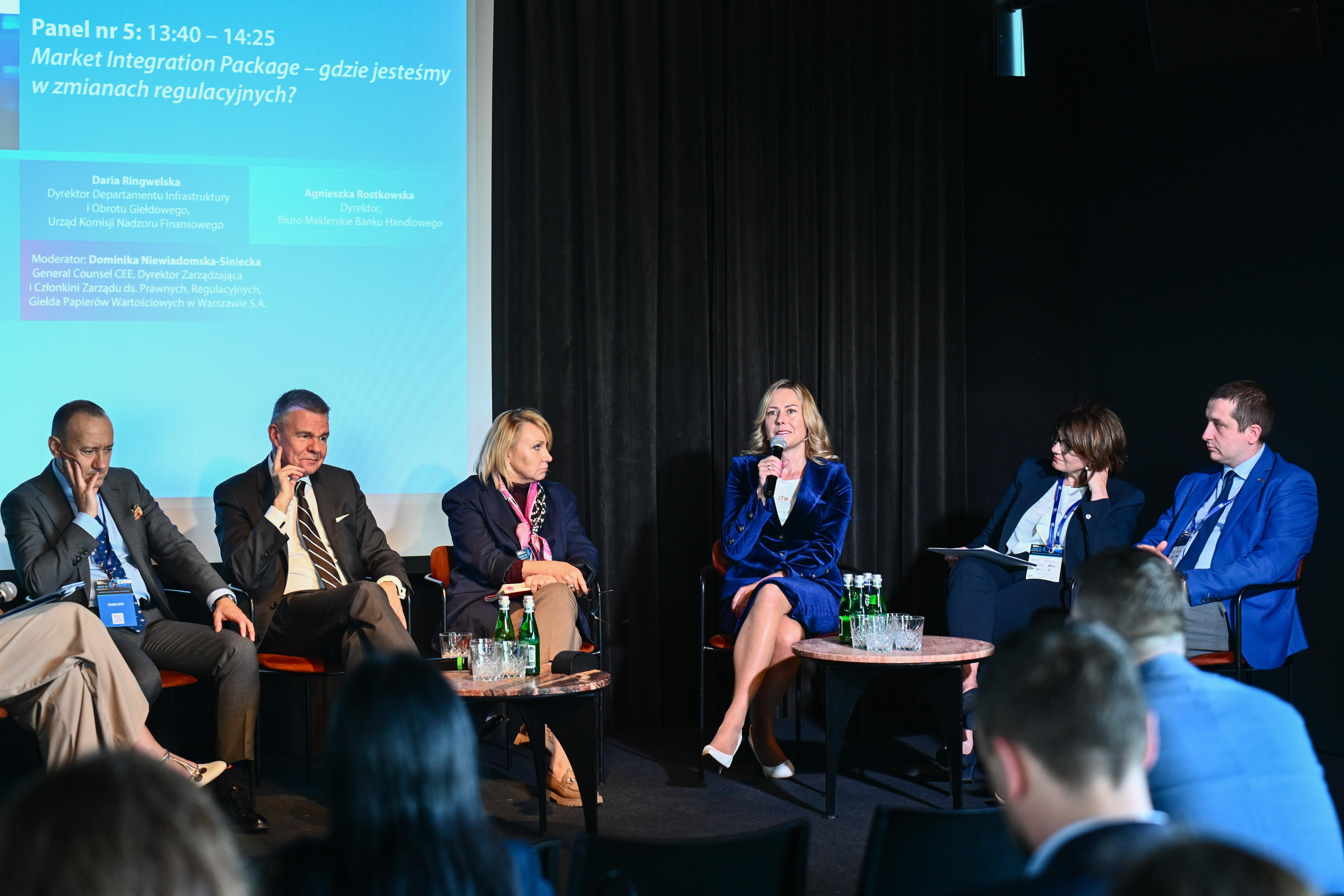
Daria Ringwelska – Director of the Market Surveillance and Infrastructure Department took part in a panel entitled ‘Market Integration Package: where we are in terms of regulatory changes’.
She emphasised that we should first think about strengthening domestic capital markets and focusing on local investors, and only later on foreign investors. Then, the objective arising from the Market Integration and Supervision Package (MISP), namely increasing liquidity and investors’ access to new products, will be met. Such a call is heard in discussions between the UKNF and ESMA. Currently, in the absence of a common EU economic policy, with 27 local capital and financial markets, centralisation/defragmentation can be more difficult. The MISP gives a large scope of freedom in determining the format of cooperation between ESMA and local supervisory authorities: from full centralisation to large decentralisation, and this is our chance.
Additionally, the speaker indicated that the KNF was ready to exercise supervision of innovations (e.g. tokenisation, DLT). Currently, the UKNF, in cooperation with the market, is conducting a review of regulations and areas that require further legal analysis to allow for the development of financial instrument tokenisation in Poland.